Shorebirds — and birders — return
Published 10:30 pm Tuesday, May 10, 2022


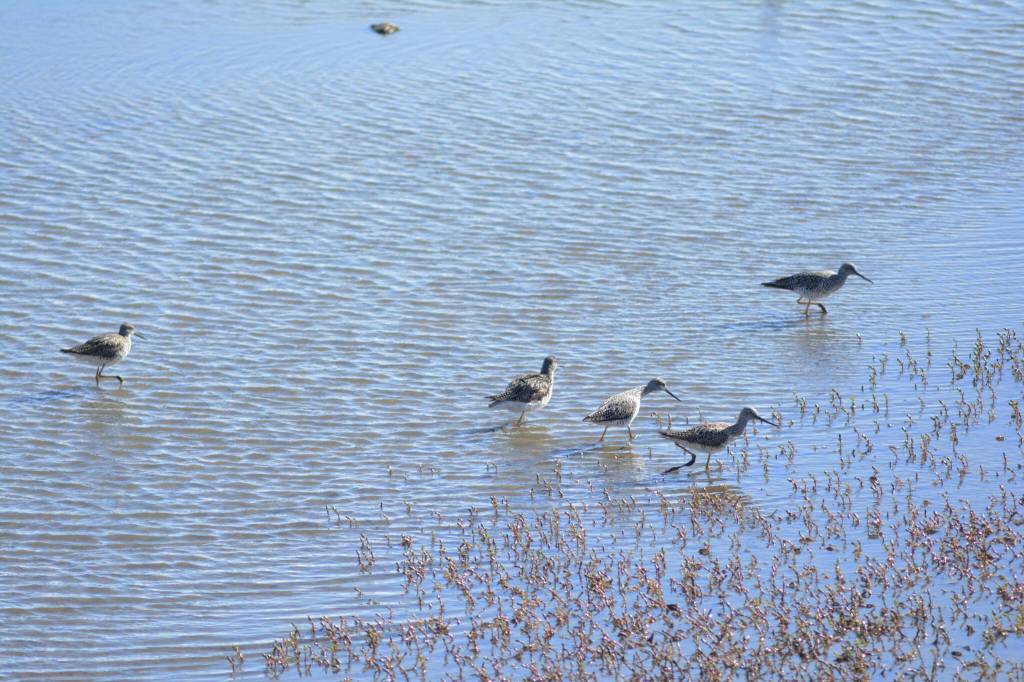
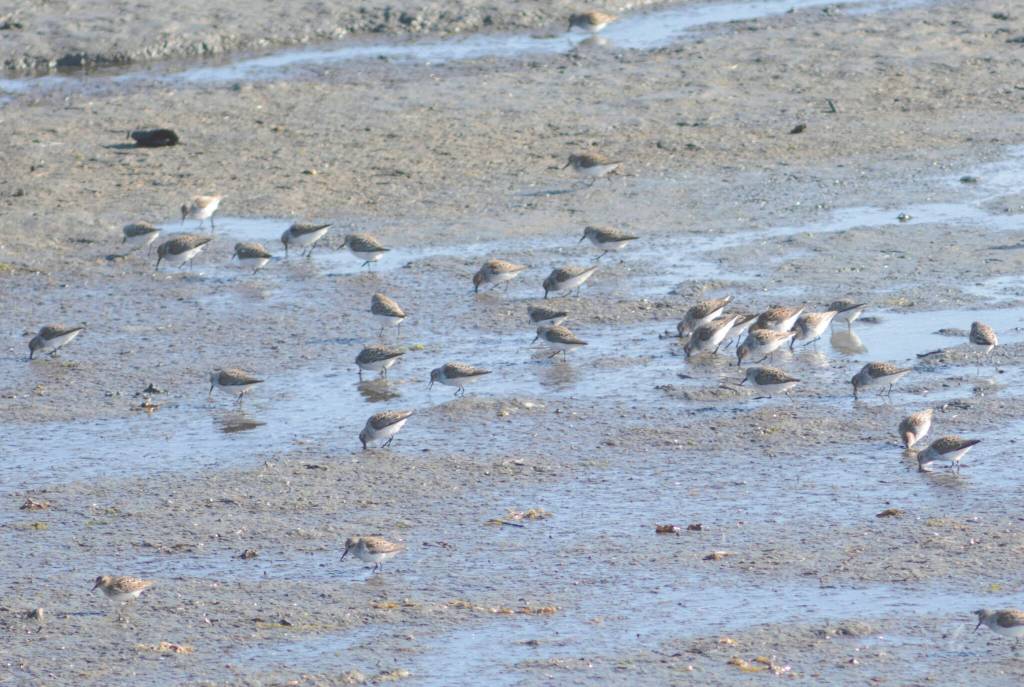







Visitors to the 30th Kachemak Bay Shorebird Festival braved high winds and near-freezing temperatures to see the annual migration of shorebirds and other species through Homer last weekend. Because of winds, the migration got off to a slow start last week, with just 400 “peeps,” or shorebirds, seen at Mud Bay on the Homer Spit, according to a bird report from volunteer Lani Raymond. Included in that group were unusual species such as godwits and ruddy turnstones.
That number swelled to 2,000 on Saturday, and continued through Tuesday, when flocks of shorebirds spread out along the high tide line at late morning and along the shore. Birders also looked for ducks, geese, songbirds, raptors and other species. A total of 129 species were seen, of which 27 where shorebird species.
Species seen included marbled godwit, bar-tailed godwit, Hudsonian godwit, ruddy turnstone, Pacific golden-plover, whimbrel, semipalmated plover, black-bellied plover, western and least sandpipers, greater yellowlegs, short-billed and long-billed dowitcher; dunlin, merlin, peregrine falcon, Pacific wren, song sparrow, sandhill crane, northern harrier, merlin, brant, Pacific loon, lapland longspur, savannah sparrow, trumpeter swan, rock sandpiper, surfbird, marbled murrelet, tufted puffin, pigeon guillemot, pelagic cormorant, American pipit, black oystercatcher, yellow-billed loon, American robin, varied thrush, violet-green swallow, tree swallow, pine grosbeak, boreal chickadee, red-necked phalarope, black turnstone, surfbird, marbled and kittlitz’s murrelet, common murre (est. 35,000), harlequin duck, long-tailed duck, common loon and belted kingfisher.
Reach Michael Armstrong at marmstrong@homernews.com.