May 1 fare increase on state ferries, first since 2022
Published 1:30 am Wednesday, April 1, 2026
Tickets to ride the Alaska Marine Highway System will go up a little more than 2% effective May 1, the first fare increase since 2019.
That 2019 increase instituted “dynamic pricing” of higher fares on popular routes, much like airlines and hotels price their rates to maximize revenues.
But dynamic pricing was not popular among ferry riders and the state rescinded the fare structure in 2022, leaving tickets unchanged since then.
Craig Tornga, marine director for the state ferry system, told legislators last month that it’s important for the marine highway to keep up with inflation.
The system’s operating budget for calendar 2026 is about $170 million, with almost half expected from the federal government and the rest from ticket sales and the general fund. The ferries have never paid their own way from the fare box, always needing state or federal dollars to cover the difference.
A new budget issue is that this year’s federal money is late, and the state may need to front tens of millions of dollars until the federal aid comes through. The Trump administration has delayed since last year opening the ferry funding program at the Federal Transit Administration to grant applications.
The ferry system has enough state money to cover its expenses into July, Dom Pannone, director of program management and administration, told the state Senate Transportation Committee on March 19.
The soonest the federal aid might come through is August or September, he told lawmakers, which would require the state to cover up to $30 million for two months until the federal check arrives.
Committee members asked Pannone how sure he was that the federal grant program would open soon enough for Alaska to receive the money by late summer or early fall, limiting the state’s risk. “We have high confidence,” he said, though he added “confidence can never be 100%.”
At the committee hearing, Tornga also briefed legislators on the ferry system’s ongoing efforts to recruit and retain more workers aboard the ships. The system has suffered from chronic crew shortages the past several years.
As of February, the ferries were short about 40 crew in licensed positions from full staffing of 336, he reported.
The state has embarked on several recruiting, training and scholarship programs to bring in more licensed crew, including investing in employees who want to attend maritime school to move up to more skilled positions.
“We want to promote our own employees to move up,” Tornga said.
In addition to dealing with crew shortages and delayed federal funding, the ferry system is managing an aging fleet.
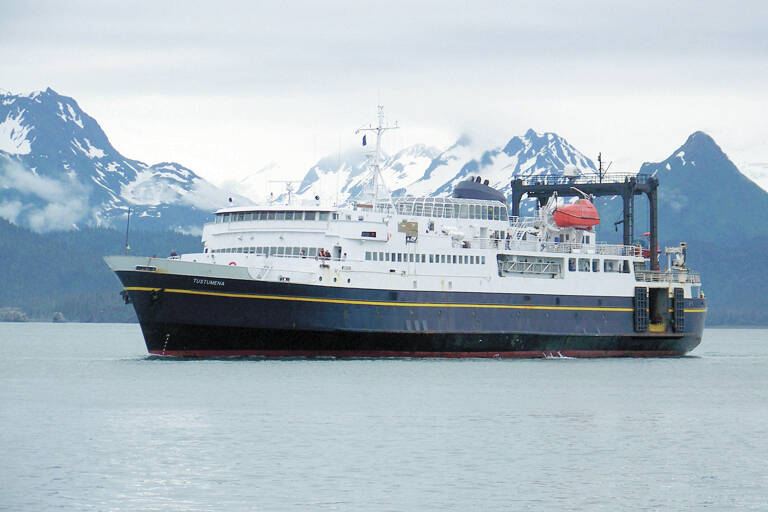
Bids are due at the end of May for construction of a replacement ferry for the 62-year-old Tustumena, which serves Gulf of Alaska communities. The federally funded replacement had been estimated at more than $300 million, though Tornga declined to provide the Senate Transportation Committee with an updated number.
“I don’t want bidders to know,” he said. “It’s an expensive vessel.”
Until a new ship comes online, Tornga said they would try to keep the Tustumena out of rough storms that would twist the hull and risk damaging the welds that have accumulated over the years.
The Columbia, which serves Southeast Alaska, is almost as old, built in 1973. “We want to keep it going until we get a mainline replacement,” which could be eight or nine years, he told legislators.
Work will start next winter on a long list of repairs, rebuilds and maintenance aboard the Columbia, he said, starting with replacement of the “obsolete firefighting systems” and replacing leaky windows and rusted steel.
Larry Persily is a longtime Alaska journalist, with breaks for federal, state and municipal public policy work in Alaska and Washington, D.C. He lives in Anchorage and is publisher of the Wrangell Sentinel weekly newspaper. The Wrangell Sentinel provided this story for republication through the Alaska News Coalition StoryShare, of which Homer News is an affiliate. Learn more at alaskanewscoalition.org/.