Connecting generations through music
Published 12:30 pm Thursday, May 7, 2026
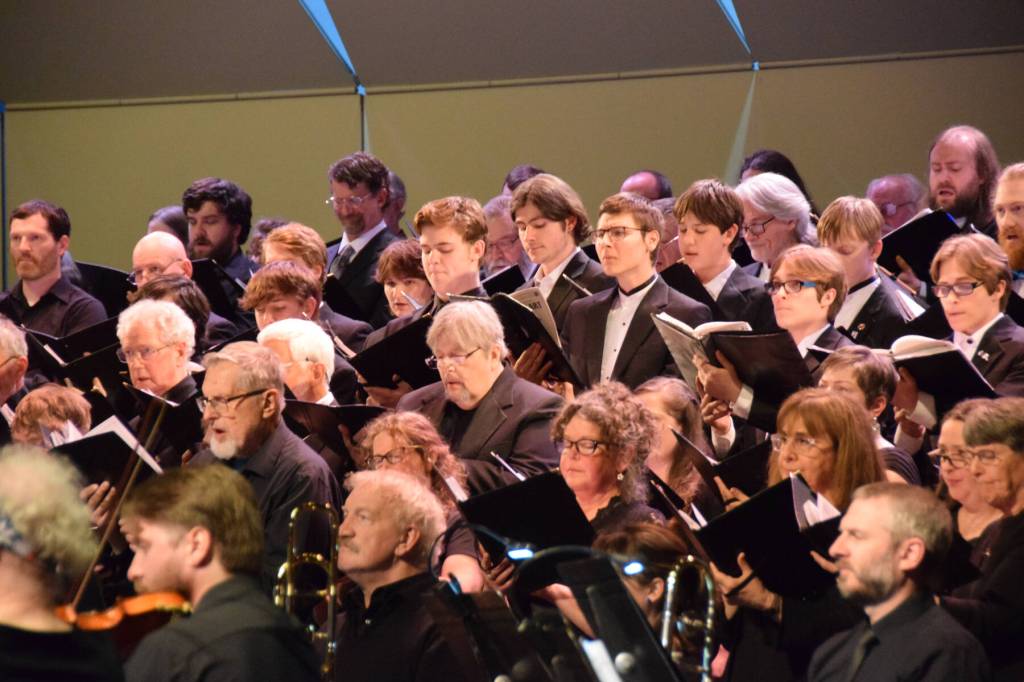
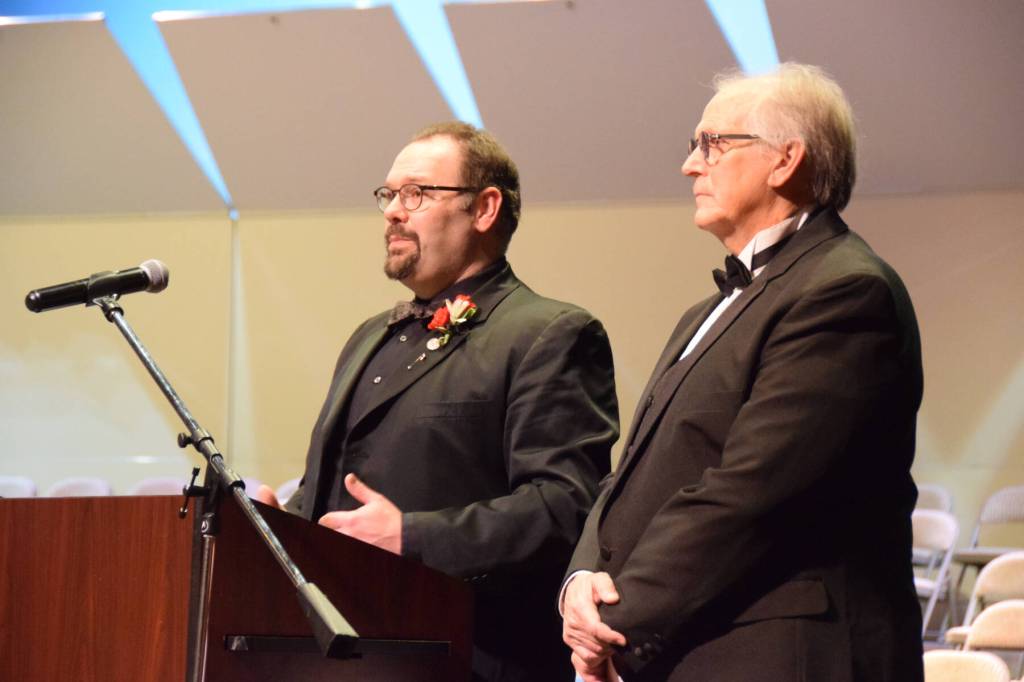
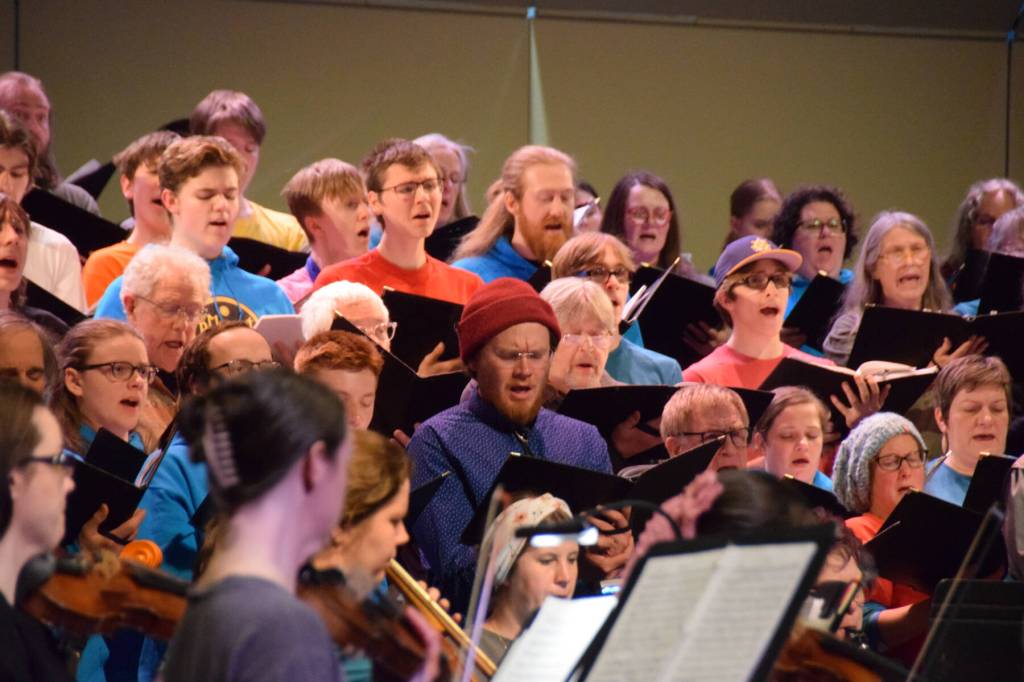
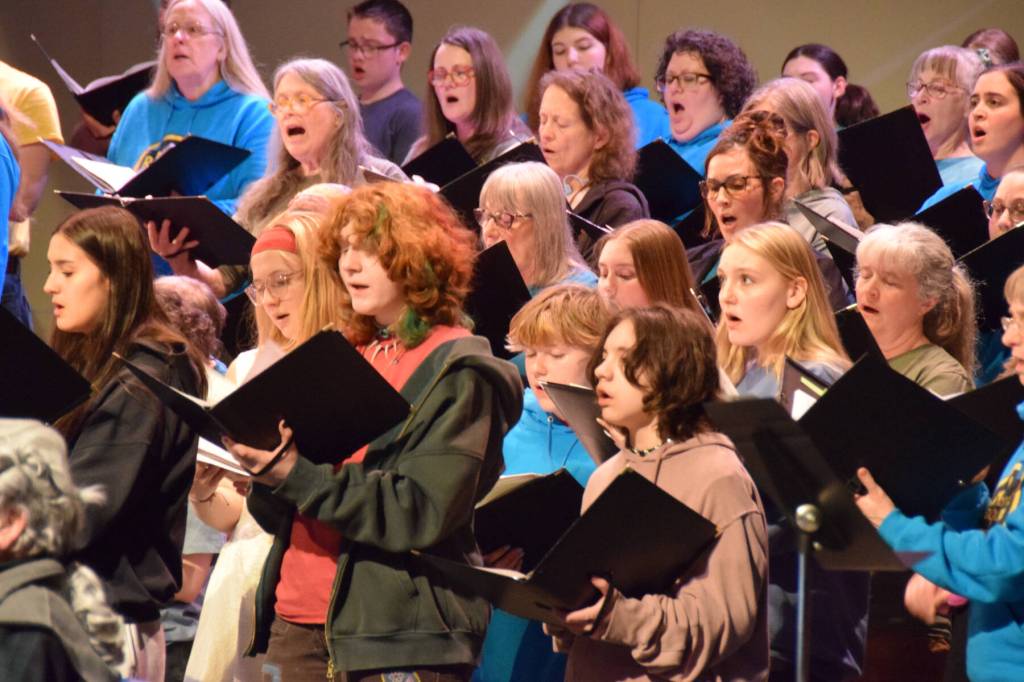
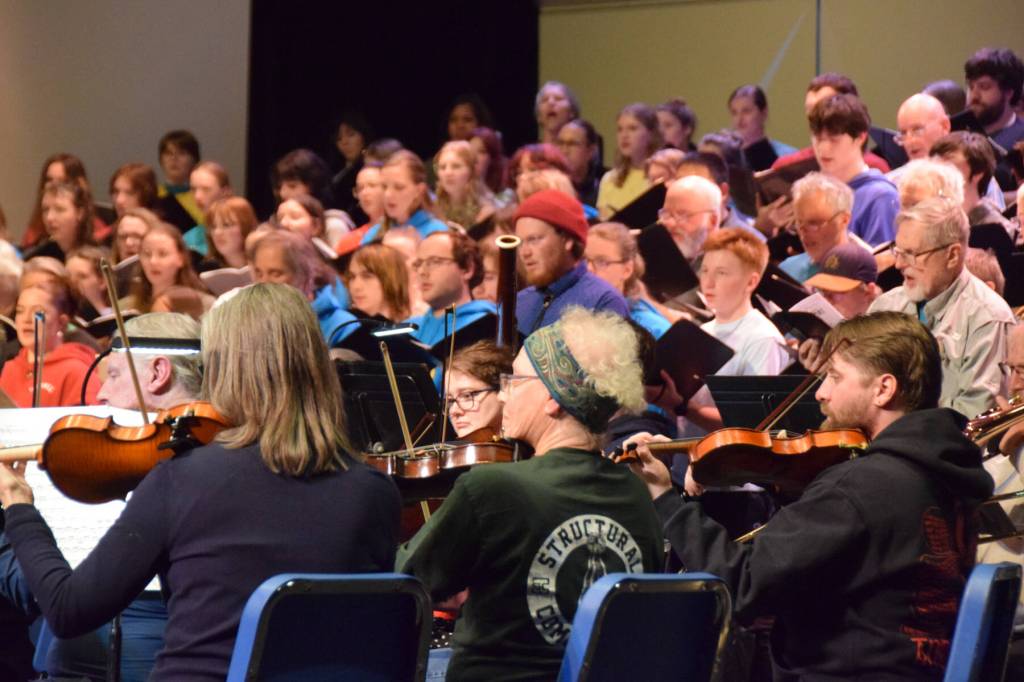
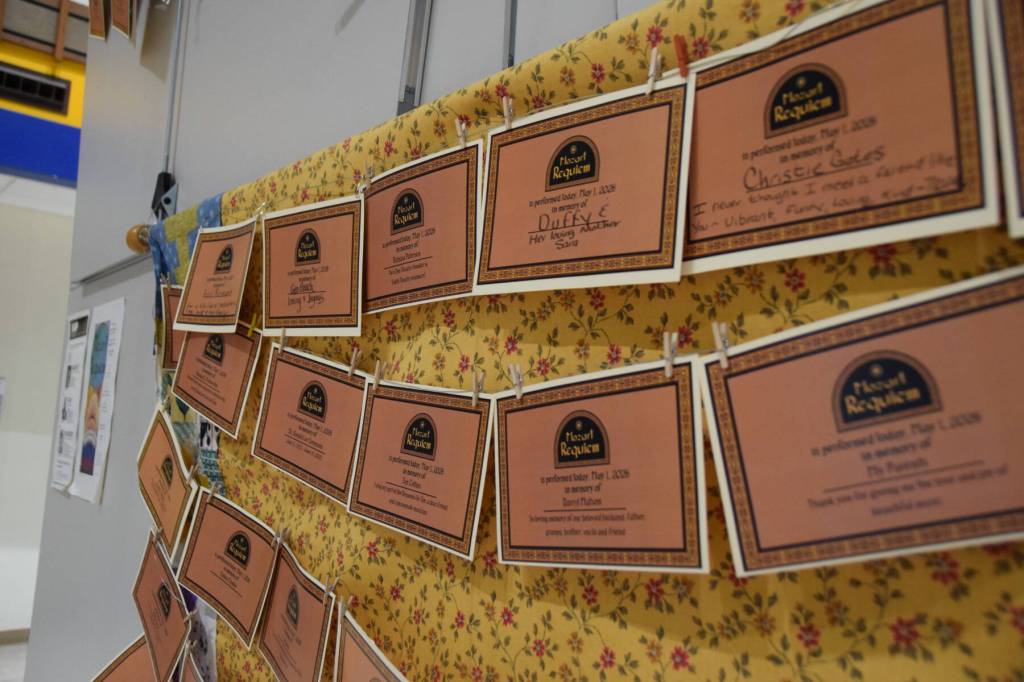
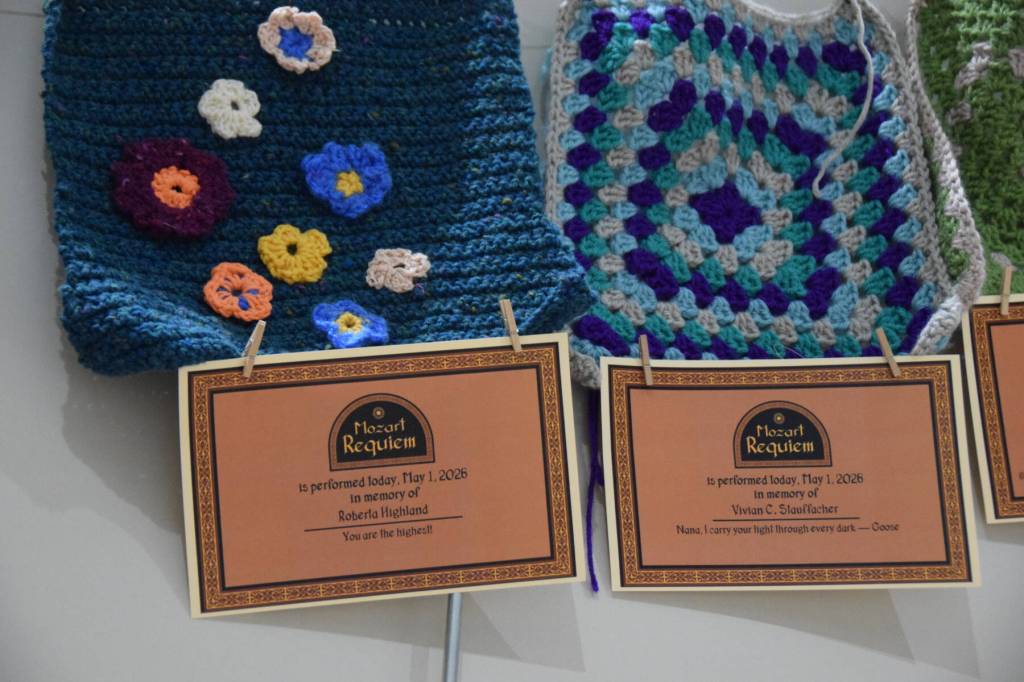
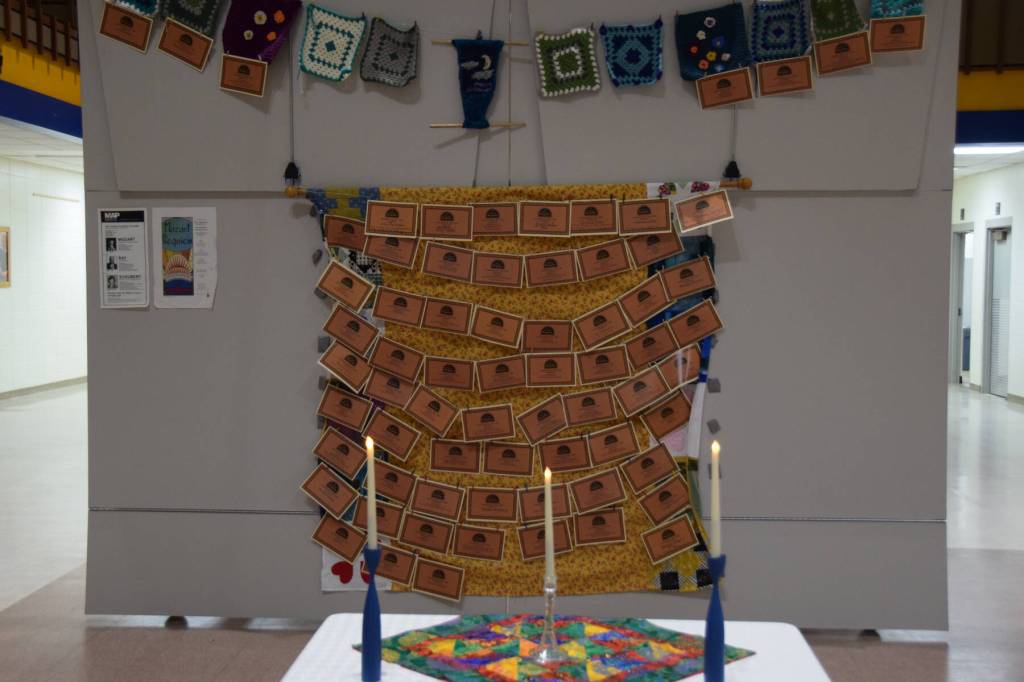
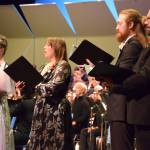
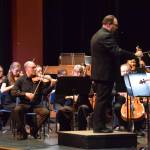
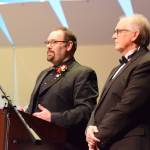
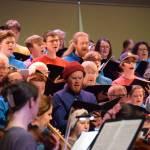
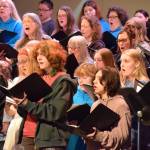
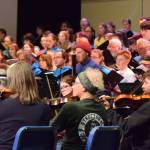

During a pre-concert lecture given by conductors Kyle Schneider and Mark Robinson, and in interviews following the two performances of the Mozart “Requiem” held in Homer and Kenai this past weekend, the theme that arose was a universality through music.
A collaboration between the Homer High School Concert Choir, the Kenai Peninsula Community Chorus and the community orchestra, this year’s production of the Mozart ‘Requiem’ saw more than 200 vocalists and 35 orchestral members onstage in the Mariner Theater Friday evening and at the Kenai Central High School Renee C. Henderson Auditorium Saturday afternoon.
Schneider, the current choir director at Homer High School, said the planning process for this year’s production began last spring. Students in the concert choir and members of the community chorus have been preparing since August.
“The students have been working on it sporadically throughout the school year,” he said. “The way that I explain to students and the community choir is that large choral masterworks are a marathon, not a sprint.”
The Mozart “Requiem” is not the first large choral masterwork that the Homer High choir and community have joined together to produce. Last year, they performed Tim Takach’s “We Are Phoenix,” an oratorio focusing on loss, redemption and recovery.
Prior to that, they performed Paul Aitken’s “And None Shall Be Afraid” in 2019 and the Brahms “Requiem” in 2013.
“Every time, it’s always the intention of bringing the two groups together, because … the choral arts are something you can do over your lifetime and at any level,” Schneider said. “Particularly with Mozart — Mozart is so accessible, and it’s one of the reasons I chose it as a piece for this group of students, because many of them, particularly my seniors, have been preparing for this level of complexity within music, but also I knew it would be totally accessible for my freshman.”
Seniors Mckenzie Hansen and Dayus Anthony Geysbeek both performed in “We Are Phoenix” last year. The Mozart “Requiem” was their second large choral production.
“It was cool working on the ‘Requiem.’ It’s difficult because there’s lots of runs, so it was just cool for it to come together and (to) spend so much time working on it, and then it sounded really good,” Hansen said.
Geysbeek added that it was also nice working with two conductors.
“I’ve worked with (Robinson) plenty of times, like during solo ensemble, but being conducted by him was really a good experience,” he said.
Both students also spoke to the wider connection created by performing the Mozart “Requiem.” The concert was livestreamed on the Homer High School YouTube page, and was therefore available to viewers worldwide.
“All over the world, people were watching it, and so many people have sung it,” Hansen said.
“It’s such a universal piece of choral work,” Geysbeek said. “I think in his time, Mozart was kind of comparable to, like, a Beatle of his generation or something, in a way, because he really changed the game composer-wise.”
A statement by Schneider in the concert program illustrated this year’s production as a “multi-generational ensemble ranging in musical experience from professional musicians to first-timers.” The ensemble and orchestra also saw wide variety in age range, from middle school students to adults in their 70s, 80s or 90s.
“We had a number of students whose parents were also performing in this production, or whose grandparents had performed in this production at some point. It’s a really cool thing to connect generations that way,” he said.
He noted further that several members of the community chorus were “non-readers” and learned the music by ear.
“That can be rather challenging, particularly with a piece like this. Once you get it in your head, it becomes second nature, but that process of learning it and getting it there is a whole different story,” he said. “I am incredibly proud of the work that we’ve done. Community members came out in force on Friday night — we had a packed house at the Mariner (Theater). That was an incredible thing.”
This year’s rendition of the Mozart “Requiem” also created room for Schneider’s predecessor, Mark Robinson, to be involved in the production.
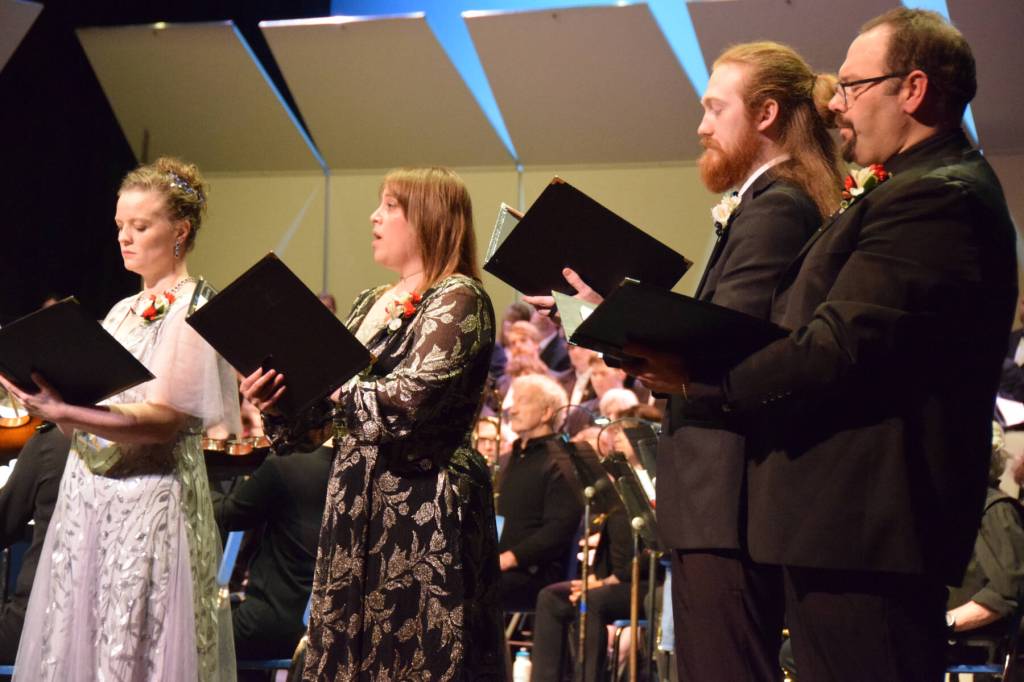
Schneider said that he had decided early on that he wanted to pursue having soloists from the Kenai Peninsula “to highlight the talent that’s here.” Three of the soloists included soprano Katelyn Hawkins-Wythe, alto SunRose Winslow and tenor August Kilcher.
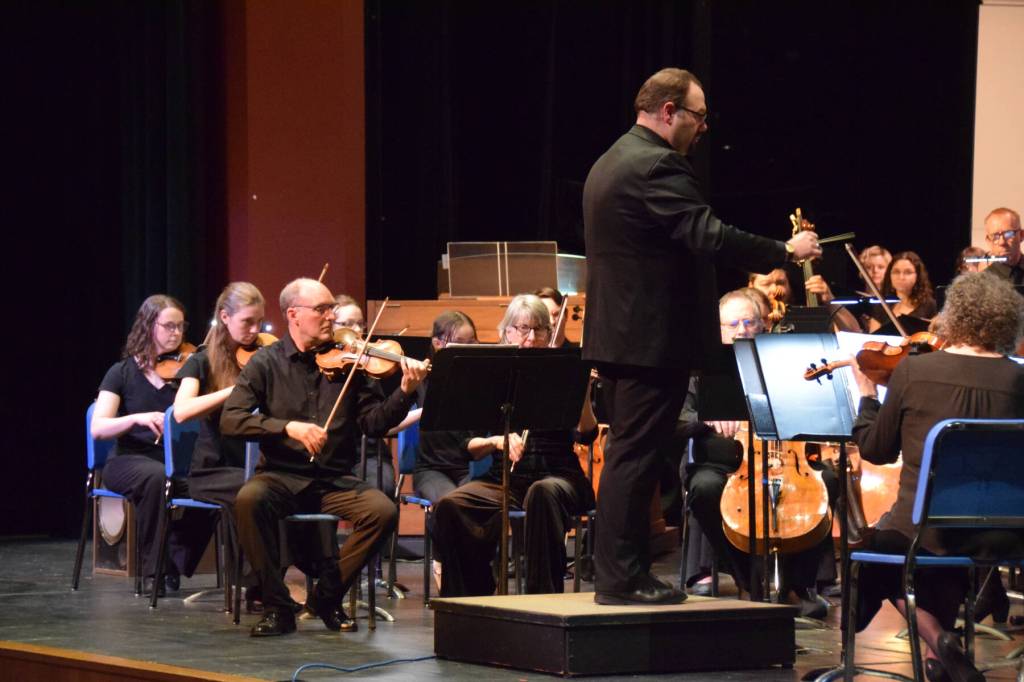
“Unfortunately, in our searching, we did not find a base soloist who was comfortable or available for the time that we were preparing it, and so I called Mark Robinson and asked him if he would be interested in conducting the four quartet movements so I could step out and be the soloist,” Schneider said.
“Working with Mark is just a joy. It’s always lovely to have someone with his depth of knowledge and his years of experience in front of an ensemble.”
In his statement in the concert program, Robinson called the Mozart “Requiem” a touchstone throughout his musical life. His first experience with the piece occurred more than 50 years ago, in his senior year when his high school choral director handed him the baton and asked him to conduct the choir in singing one of the movements. He revisited the composition in the fall of 2001 as he was working towards his Masters degree. Just as rehearsals began in earnest, 9/11 happened and “performing a requiem mass that spring in New York City took on a whole new meaning.”
“Emotions were very raw because 9/11 had just happened that fall, and somebody said to me, ‘I don’t know if I can come to this because I think it’s going to be too painful, I think I’ll cry.’ And my response at that time was, well, cry. What better way to deal with your emotions than to listen to the sublime, some of the most magnificent music ever written to honor the dead, regardless of your faith background?” Robinson said.
One of the “most memorable” experiences of his career occurred Sept. 11, 2002, when the Mozart “Requiem” was sung, performed or broadcast in each time zone to commemorate the first anniversary of 9/11, and “on scant practice,” Homer was the only performance held in Alaska’s time zone.
This year, the “Requiem” also had personal meaning for Robinson following the passing of his brother, George.
“Sometimes in other things where Kyle and I have collaborated, I’d sing along, but this one I just chose to be there,” he said.
“I have some grief I’m carrying because I just lost my brother, so I was able to just be in a kind of meditative state and then just appreciate where I was and that I had the privilege to do this.”
Robinson also noted “a continuity thing” with three of the soloists who, apart from Schneider, he had all taught at one point.
“There were many former students who were full-on adults with their kids that were singing in the choir. There were people that I’ve had in the community chorus for decades and yet, there were all kinds of new people that I didn’t know, that I got to meet,” he said.
“This sort of connection to the past, but moving into the future, is just a really lovely thing, particularly in a small community. In a time of division and pain, to have this connection that the people involved represent all kinds of people, all kinds of socioeconomic status, all kinds of political points of view — but for one night, two nights, and throughout the year we were one. And that’s a pretty powerful thing.”
Schneider described an emotional moment at the end of Friday’s performance.
“I held my arms up and just wanted that moment of silence, and there was a young person, a small voice in the first row that just went, ‘Wow,’ and whatever emotional focus I had at that moment was gone,” he said. “That’s exactly what we want. Now we know that kiddo is going to be an arts kiddo for the rest of their life based on the one experience they had, which is super cool.”
The conclusion of the Mozart “Requiem” is not the end of the road this year for the Homer High School choir. More than 40 band and choir students will be travelling to the state solo and ensemble competition in Anchorage this weekend, and the Homer High spring concert will take place on Tuesday, May 12.
The full Mozart “Requiem” concert is available to watch on the Homer Mariners YouTube page at www.youtube.com/@homermariners3156.