Alaska Department of Fish Game looks to boost Kenai Peninsula deer population
Published 9:30 am Thursday, August 6, 2026
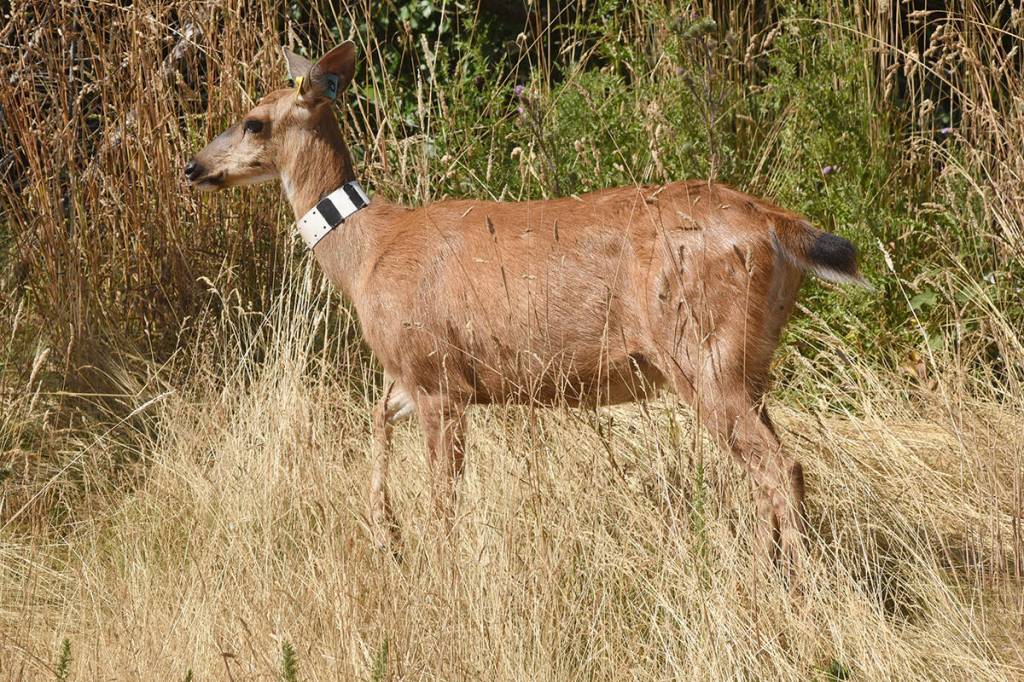
The Alaska Department of Fish and Game (ADF&G) has released an update on 19 Sitka black-tailed deer that have been monitored daily since the end of last year.
In late September and early October 2025, ADF&G translocated 14 doe and five bucks from Sitkinak Island to the south end of the Kenai Peninsula near Port Chatam. The deer were held in a soft release pen for a short time and monitored while they recovered from sedation before being released.
The translocated deer have since been monitored through GPS collars for dispersal and survival.
“The goal of this is to provide hunting opportunity and food security for Alaskans,” said Doug Vincent-Lang, ADF&G commissioner.
The department is currently planning to move an additional 15 to 20 deer this fall, primarily does, to supplement the remaining animals. They will use the same method of net gunning from helicopters.
“The introduction of even a small number of deer can be the start of a large population,” ADF&G added. “The Kodiak Island deer population started in 1935 with a transplant of five does and four bucks, in addition to three does and two bucks from the earlier Long Island introduction.”
Legal deer hunting on Kodiak Island began in 1953, but there is currently no hunting season for deer in the Kenai Peninsula. ADF&G stated that while it may be decades before the deer population is robust enough to be harvested, progress is being made toward that goal.
One of the does swam to a nearby island and lived there for almost two months, according to the collar data, while most of the deer remained within five miles of each other during the last rutting season, which increased the chances of successful breeding.
“In June and early July, each of the three does alive at that time were located from a fixed-wing aircraft in hopes of spotting fawns with them,” ADF&G stated. “With their small size and cryptic coloration, fawns are difficult to see even in ideal conditions.”
ADF&G added that no fawns were observed during the flights, but some may have been present and obscured by vegetation.
There have been 13 confirmed mortalities in the transplanted deer population, including two drownings, one coyote predation event, one from non-infectious pneumonia, and one from hypothermia after the deer was unable to get out of a creek with steep banks.
Hikers located the most recent mortality from late July, which was the doe that had drowned.
Nine of the 13 mortalities occurred between November and the end of April, and as of July 28, there are two does and three bucks with active GPS collars in the Kenai Peninsula.
One additional buck slipped his collar shortly after release and has not been located since, according to ADF&G.
“The collars from deceased deer have been recovered by ADF&G biologists and, when possible, the carcasses have been necropsied,” ADF&G stated. “Some carcasses have been heavily scavenged even within 24–48 hours post-mortality, with scavenging signs primarily from birds (ravens and eagles), coyotes, wolverines, and one with some bear sign at the site.”
Eight deer were unable to be fully necropsied due to the amount of scavenging before the collars were recovered, but they were still investigated by biologists. ADF&G added that when leg bones were present for examination, there were no signs of malnutrition based on the bone marrow, and the exact cause of death for these animals remains unknown.
Deer sightings can be reported to ADF&G offices in Soldotna and Homer, at 907-262-9368 or 907-235-1725, respectively.