OPINION: The dwindling of Cook Inlet natural gas is real
Published 8:30 am Tuesday, April 14, 2026


The biggest challenge facing all utilities that are connected across Alaska’s Railbelt from Homer to Fairbanks is the reliability and availability of Cook Inlet natural gas. Through dedicated hard work for more than 49 years, I developed Railbelt institutional knowledge of Homer Electric Association (HEA) and its utility partners. I have first-hand experience facing the challenges and resolving for the benefit of HEA members.
First, some relevant history on me and my experience. I have managed multiple assets across Alaska’s utility infrastructure starting with Municipal Light and Power’s (ML&P) gas turbine electric generation fleet, Homer Electric’s Power Production, which includes building the Soldotna generation plant and adding a steam turbine to the Nikiski plant. Most recently, I managed the Bradley Lake Hydro project, including the construction of the Bradley Lake Battle Creek Dam project.
Call me a “Dinosaur,” but also call me an opportunity to advance HEA goals and strengthen our place with unmatched experience.
A major discussion taking place across the industry is the threat of the dwindling Cook Inlet gas resources. To put this into perspective, the total usage of this gas is about 70bcf (billion cubic feet) annually across the Railbelt. HEA’s share is approximately 4bcf. How will this affect HEA and other Railbelt utilities? You should know that easily accessible gas in Cook Inlet is reaching its lowest point yet, and the search and development of additional gas field reserves comes at a significantly higher cost.
As the Cook Inlet gas supply continues to dwindle, what other resources must come online to offset the deficit, and which options make sense for HEA? And what is realistic in terms of short and long-term timelines?
Future energy security depends on a balanced mix of new gas exploration success, imported LNG supplies, infrastructure investments and meaningful demand-reducing upgrades. My experience and institutional knowledge with these complex issues, and their coordination, are more important now than ever.
Did you know that Chugach Electric Association in Anchorage (CEA) and Harvest Midstream (an affiliate of Hilcorp) are working together to convert the former Kenai LNG export plant in Nikiski, into an LNG import facility (the export of LNG has, for the most part, been retired since 2017). And then, there is the Alaska LNG project proposing to bring gas from the North Slope directly to Nikiski.
Another plan called the Cook Inlet LNG (CI LNG) is proposing to import gas and develop a floating storage and regasification unit (FSRU) moored to the existing Osprey Platform (west side of Cook Inlet).
It would bring liquefied natural gas and convert it back to usable natural gas for Southcentral Alaska. It’s designed as a fast, flexible “bridge” supply to address the region’s declining Cook Inlet gas production without building new onshore terminals.
All of these are sound ideas, but how long will it take to implement all or any of these projects? As your board representative, I will consider each proposal and ask the right questions to develop and deliver reliable electric service at the minimum cost for you. I will question the scope of each proposed project and whether it can be built and become operational within the next 2-6 years.
Developing a long-term solution is of the utmost importance, otherwise our energy security is at risk. I am for what makes sense for HEA members, whether you are a resident or small business. I’m for sound engineering; how can we count on it when we need it (reliability).
My hydro energy background is substantial. Of the three Southcentral hydro plants, I have been very involved with two: Bradley Lake being the largest, which came online in 1991. I’ve been involved with Bradley since its conception in the mid ’80s. I was manager at the time the Battle Creek Diversion project was finalized in 2020. I also managed Eklutna on behalf of ML&P since it was bought by ML&P, CEA and MEA from the federal government in 2000. I’ve not had a role in the Cooper Lake hydro plant. The utilities share proportionally in the cost and benefits of these hydro plants. Again, to put into perspective, HEA receives a 12% share of Bradley Lake Hydro and none of Cooper Lake or Eklutna.
In a recent published opinion of a current HEA board member, she talked about how the U.S., on average, gets more than 18% of its energy from these renewable sources. And, 14 states produce more than 30% of their energy from variable renewables. That’s all well and good, but it’s like comparing apples to oranges. The electrical network or the “grid” of the lower 48 states is completely different, with many different renewable opportunities. The Alaska Railbelt “grid” pales in comparison to the lower 48; there are simply not the same opportunities in the “frontier”. Then, there are the transmission constraints. Power transmission on the Railbelt stands alone and has only one transmission line north and one south. The southerly line traverses avalanche terrain and has had numerous outages over the years due to natural occurrences (fire, wind, avalanches). Some outages have lasted multiple weeks.
There’s no question that renewables are an important factor in helping offset the dependability of natural gas. We definitely need more renewables and should make a concerted effort to install them. Here are some facts that make renewable energy more expensive to the consumer: They’re not dispatchable on demand. They’re not always economical. There is no longer a 30% federal tax rebate, which makes renewables cost directly to HEA 30% higher than last year. I will use my vast engineering experience to rigorously vet a transition plan, whether that involves securing new fuel sources, storage, or diversifying our generation. The reality is that the answer is a combination of many different strategies that will enable Southcentral to develop a solution to the dwindling gas problem. My priority is to ensure that every decision is technically viable and protects members from increasing costs.
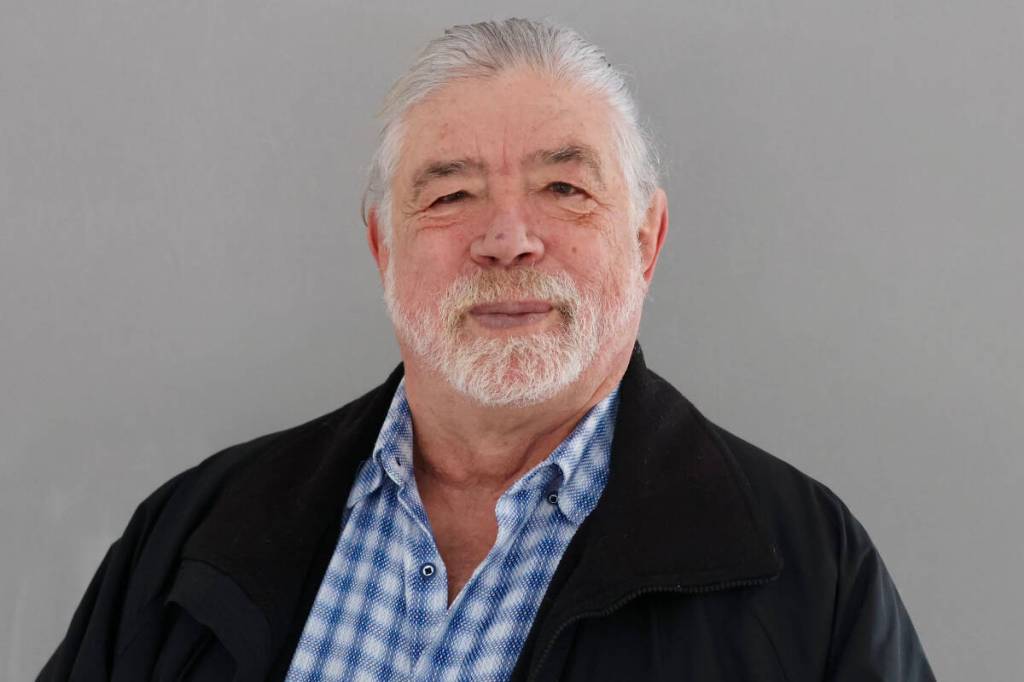
Bob Day is an electrical engineer running for the Homer Electric board of directors.