Spotted seal pup is a ‘rare’ rescue patient at Alaska SeaLife Center
Published 10:30 pm Friday, October 24, 2025
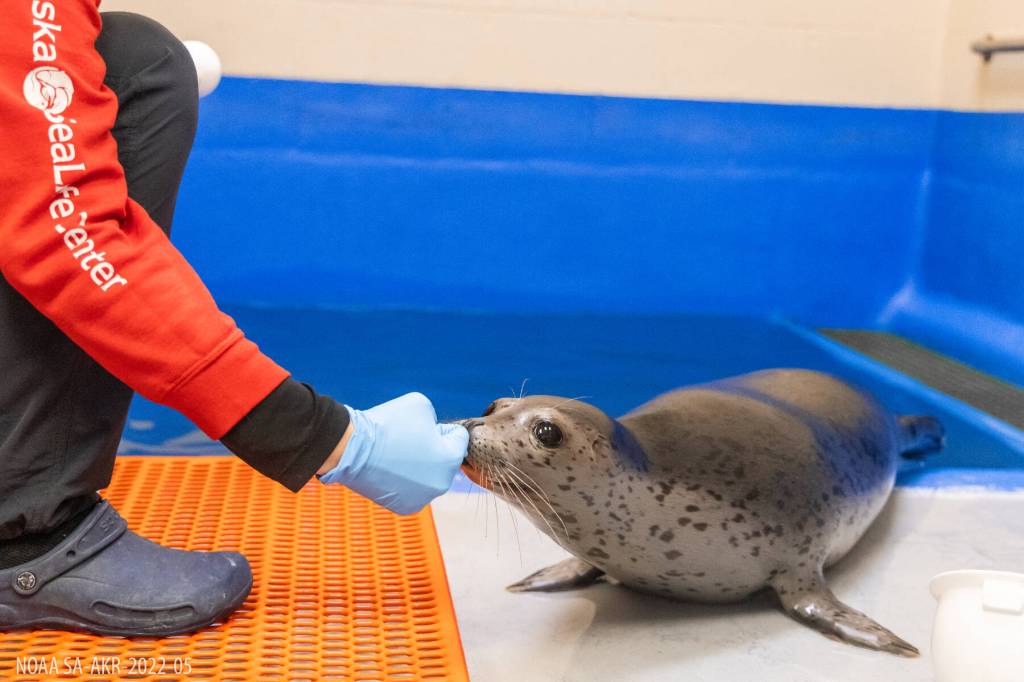
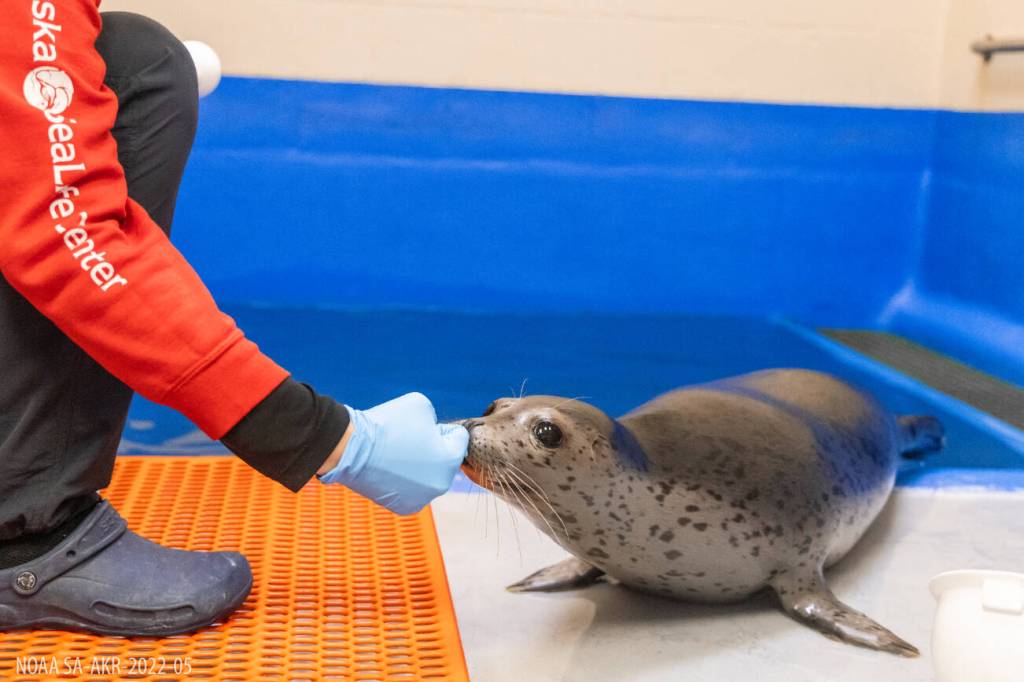


In June, the Alaska SeaLife Center admitted a male spotted seal pup to its Wildlife Response Program. According to an Oct. 16 press release from ASLC, fewer than 10 spotted seals have ever been admitted to the facility.
A community member called the ASLC’s Stranded Marine Animal Hotline after spotting the malnourished and lethargic seal pup on a busy public beach in Nome. After determining the species of the pup, ASLC carefully began its response.
In rescue situations involving any of Alaska’s four species of “ice seals” — spotted, ringed, ribbon and bearded — ASLC must follow a precautionary non-release policy developed by the National Oceanic and Atmospheric Administration and the Ice Seal Committee. ASLC’s response requires their respect for Indigenous communities who rely on ice seals for subsistence in addition to cooperation with federal policies.
After contacting NOAA, which oversees seal strandings, ASLC consulted with Kawerak, Inc., Nome’s local tribal consortium, and ISC, which co-manages ice seals with NOAA. The organizations decided the pup should receive care at ASLC, and it was transported to Seward shortly after.
The pup was severely malnourished, but the veterinary team was able to determine he was roughly three or four weeks old since he had teeth and did not have a lanugo coat. ASLC has been providing intensive care for the pup, who they named Kova, since his arrival, and he is now eating well and steadily gaining weight.
The veterinary team is performing diagnostic testing to better understand diseases affecting wild seal populations. By observing Kova, ASLC will be able to contribute valuable information about his species. The policies NOAA and the ISC have in place aim to eliminate the risk of transmitting diseases between ecosystems when an animal is rescued, so although Kova’s recovery is going swimmingly, he will remain in human care permanently.
“We are deeply grateful to the Nome community,” Wildlife Response Curator Jane Belovarac said in the press release. “This pup has given us a valuable opportunity to learn and grow as we work to restore its health. Thanks to the support from Gay Sheffield with the UAF Marine Advisory Program, Charles Menadelook with Kawerak, Inc., and the Ice Seal Committee, we’re hopeful this animal will one day serve as an ambassador for the very waters it came from. This rescue wouldn’t have been possible without their collaboration.”
Follow ASLC for updates on Kova by visiting them online at www.alaskasealife.org, or find them on Facebook and Instagram.