OPINION: He chose war … retaliation risks rise
Published 5:30 am Wednesday, July 15, 2026
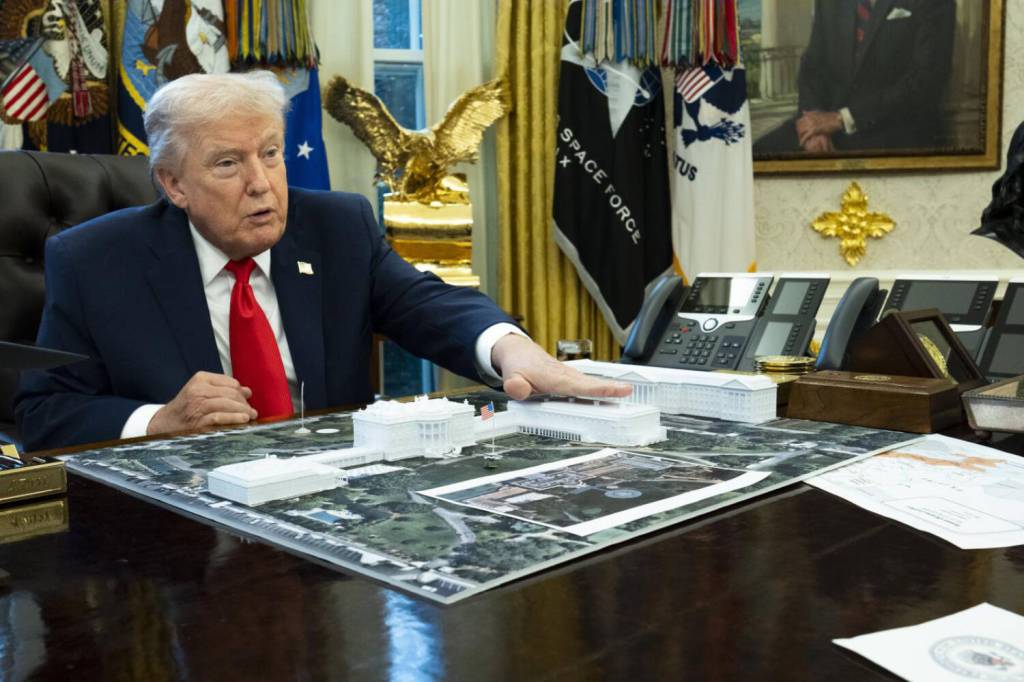
Trump’s sense of danger lagged. He seemed unfazed that killing top Iranian officials and leveling an in session girl’s and boy’s elementary school would mark his circle for good. Then came a humbling truth: his Qatari palace jet wasn’t safe.
When a president mistakes military force for political theater, the applause fades long before the consequences.
The chants of “Death to Trump” that echoed through funeral processions in Iran were not spontaneous outbursts. They reflected a pattern the Islamic Republic’s clerical regime has followed for decades. When its leaders believe they have been humiliated, retaliation becomes doctrine.
That history should have been obvious. Instead, Donald Trump treated military action as though it would end with a successful news cycle and declarations of strength. Airstrikes can destroy facilities. They can kill commanders. They cannot erase memory, extinguish ideology, or deter a regime that has repeatedly demonstrated its willingness to pursue vengeance.
No recent example illustrates that reality better than Salman Rushdie. Iran’s fatwa survived changing governments, diplomatic negotiations, and decades of relative silence before violence resurfaced on an American stage. The lesson is unmistakable. Tehran forgets little, forgives less, and often waits years before settling its accounts.
That pattern raises difficult questions about Trump’s decision to escalate military action against Iran. His administration publicly argued that Iran posed an urgent nuclear danger. Yet American intelligence assessments available at the time painted a more restrained picture, concluding that Iran was not on the verge of fielding a nuclear weapon.
Critics have offered several explanations. Some contend the strikes reflected a longstanding preference for coercive diplomacy backed by overwhelming force. Others argue they served domestic political purposes by shifting public attention away from controversies dominating the news. Those competing interpretations remain matters of political debate, but they share one conclusion: the decision carried consequences extending far beyond the battlefield.
Trump has long relied on spectacle as a political weapon. He understands that dramatic events can overwhelm quieter stories, redirect public attention, and dominate the national conversation. Military action, however, is unlike political theater. It produces consequences that cannot be edited, rescheduled, or dismissed.
The immediate tactical success of a military operation tells only part of the story. The strategic consequences often emerge months or years later.
That is the danger confronting any president who assumes military victory automatically produces political success. Strength without strategy, force without foresight, and victory without vision can leave behind problems far greater than those they were meant to solve.
The spectacle ended. The consequences did not.
Iran’s leaders have repeatedly demonstrated that retaliation is measured on their timetable, not ours. Assassinations, proxy attacks, and long-delayed acts of violence have become familiar instruments of their statecraft.
That reality extends beyond the battlefield. Once a president becomes the face of a military campaign against the Islamic Republic, he also becomes a permanent symbol of that conflict. Security officials do not plan for weeks or months. They plan for decades. US protective details expand. Intelligence monitoring intensifies. Threat assessments become a permanent feature of daily life.
Every additional Whitehouse barrier tells the same story. Every reinforced perimeter, every expanded security detail, every revised travel plan acknowledges a simple truth. Military operations may conclude. The risks they create often do not.
Supporters understandably view decisive military action as evidence of strength. Critics see something different. They argue that tactical victories can produce strategic liabilities when they create new martyrs, deepen public resentment, alienate allies, and reinforce the narratives authoritarian regimes use to justify future violence.
The unending consequence is not carried by the president’s circle alone. Some former officials will remain under heightened security for years.
Power should never be confused with wisdom.
A president’s first responsibility is not simply to demonstrate strength. It is to exercise judgment. Military force should advance a clearly defined strategic objective, not merely produce dramatic images or dominate the next news cycle. When political incentives and national security begin to overlap, citizens should ask hard questions because the consequences belong to the country long after any administration leaves office.
The opening chants were never simply expressions of anger. They were warnings. A nation that has built its identity around remembering perceived humiliation was never likely to declare the story finished because American aircraft returned home. That is the central lesson of this conflict. Wars may end with ceasefires, but vengeance often survives them.
When a president mistakes military force for political theater, the applause fades long before the consequences. Those consequences can endure for a lifetime.
Van Abbott is a 36-year resident of Alaska having worked in Ketchikan, Fairbanks and Anchorage as a municipal, financial and utility manager. He resides in Ketchikan and is currently a freelance writer. He served as a Peace Corps teacher in the 1960s. See his website: politicalwinds.org.