Local initiative seeks to extend lifespan of Homer landfill
Published 11:30 am Wednesday, July 1, 2026
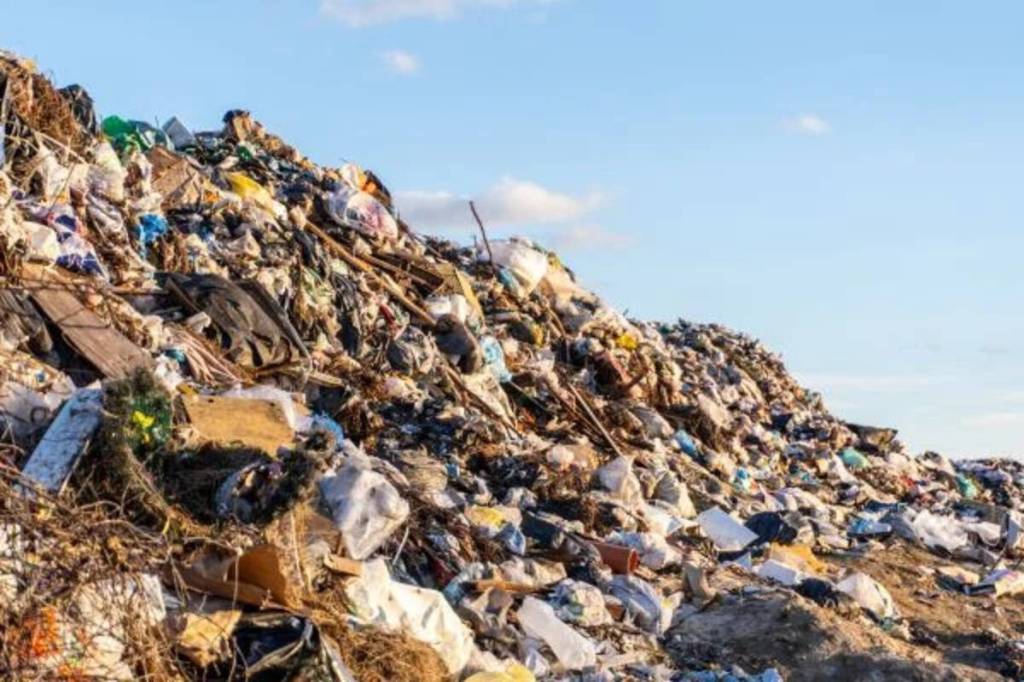
Proposed improvements to the Homer Transfer Facility are finally being realized thanks to an initiative of local volunteers from Homer Drawdown and the expertise of Kenai Peninsula Borough employees.
Several recycling bins have been moved out of the large garage structure and will soon be weatherproofed to protect them from winter ice. The covered space will become a large reuse area for the public to collect materials that have been diverted from the Construction and Demolition (CD) landfill cell in the city.
Members from Homer Drawdown are currently working with borough staff to salvage usable materials from the CD cell, reinforce sorting protocol, clean up up after careless facility users, and maintain the expanded reuse area at the facility.
The grassroots volunteer group formed in 2020 focuses on sequestering carbon, building community resilience, and addressing climate change on a local level. The group’s current solution of “No Scrap Wasted” aims to curb waste streams in the community.
Cook Inletkeeper, a Homer-based nonprofit organization dedicated to protecting the Cook Inlet watershed and its surrounding ecosystems, said that borough staff is estimating that the CD cell will be full in three to five years.
“Once the cell is full, all that bulky material will need to be hauled up to the Central Peninsula Landfill with substantial environmental and monetary cost, in addition to the traffic and damage those extra trucks might bring to our highway system,” the organization stated.
Most of the items that residents bring to the transfer facility are sorted, compressed, and hauled up to the Central Peninsula Landfill, but bulky construction debris and large appliances cannot be compressed effectively.
The less compressed pile is landfilled in the on-site CD cell, which has no protective liner or vent infrastructure.
“To prevent contamination of our local watershed, it is critical to bury only inert materials in the CD cell,” Cook Inletkeeper stated. “Our community clearly benefits from this landfill diversion project, which helps keep environmental and fiscal costs to a minimum.”