Opinion: Alaskans must proceed with caution on gasline legislation
Published 9:30 pm Wednesday, January 21, 2026
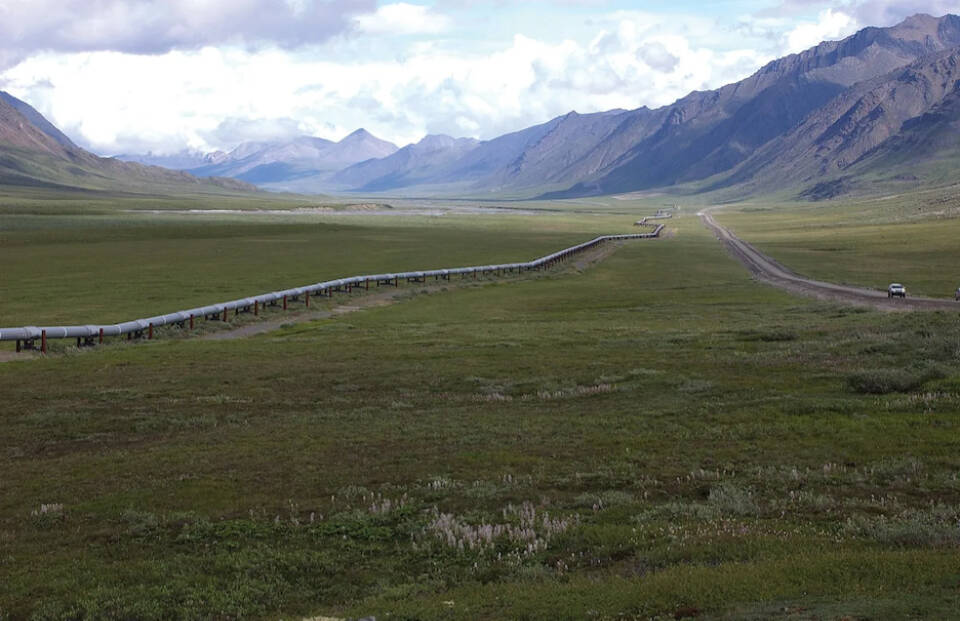
Alaskans have watched a parade of natural gas pipeline proposals come and go, as in go nowhere. They have stalled under the weight of runaway costs, shifting markets, and political pressure to move faster than prudence allows. The Legislature should remember this history as it scrutinizes legislation this session related to the latest gasline proposal, the project advanced by Glenfarne Group in partnership with the Alaska Gasline Development Corporation.
A project of this scale and complexity demands the most rigorous scrutiny before the Legislature makes any commitment that could expose Alaskans, our communities, our public assets, or our Permanent Fund to financial risk.
To that end, I offer several suggestions to ensure we do not become investors in the latest in a long line of failed gasline projects.
First and most basic is transparency. All reports, studies, contracts, financial models, engineering analyses, and internal assessments produced or relied upon by AGDC or Glenfarne should be disclosed to legislators and to the public. This must include draft materials and internal evaluations, not just polished summaries. Alaskans cannot meaningfully evaluate a multibillion-dollar project if key assumptions and risks remain hidden. One glaring example: Glenfarne recently announced it has updated the long-cited $44 billion cost estimate for the project but has declined to release the new figure publicly. Are we being asked to buy a pig in a poke?
Second, the Legislature should commission its own independent feasibility study. That study should be conducted by consultants with no prior or current ties to the project sponsors and should examine engineering feasibility, market demand, financing assumptions, cost-escalation risk, environmental exposure, and fiscal impacts to the state. Legislative decision-making should not rely solely on analyses prepared by or for project proponents. If all you know about a used car is what the salesman tells you, you’ll probably end up with a lemon.
Leadership and track record also matter. Official project materials identify Rex Canon as a senior executive involved in managing the Alaska project. He previously held senior leadership roles at Maple Energy during its Peruvian operations, including executive-level responsibilities. Maple’s operations became mired in environmental controversy, conflict with Indigenous communities, and ultimately financial failure. Indigenous groups filed formal complaints alleging oil spills, contamination, health impacts, and inadequate consultation. An ombudsman-facilitated dialogue collapsed, community opposition intensified, and the company’s Peruvian business later entered liquidation. This history raises serious and legitimate questions about leadership judgment, environmental stewardship, transparency, and risk management—qualities that are critical for an Alaska megaproject.
The Legislature should also examine whether Glenfarne has the size, financial capacity, technical depth, track record, and organizational experience to manage a project of this magnitude. That question is especially relevant given that three huge multinational energy companies—BP, ExxonMobil, and ConocoPhillips—previously abandoned the Alaska gasline after concluding it was not commercially viable. If conditions have changed such that a relatively minor energy player can now complete a project abandoned by energy giants, lawmakers should hear clearly and directly how and why they have changed.
The potential for conflicts of interest deserves scrutiny as well. Glenfarne’s involvement in both a gasline intended to supply Southcentral Alaska and planned Cook Inlet LNG import facilities raises an obvious question: Could imported LNG compete with gas from the pipeline project? That issue warrants explicit analysis, not quiet dismissal.
Perhaps most important is the risk of state financial exposure. Could AGDC’s 25 percent ownership stake and its hitherto confidential agreements with Glenfarne create legal, fiscal, or reputational pressure for state bailouts if the project falters? Alaska has lived through megaproject failures before. Any assumption that “this time is different” should be tested rigorously, not accepted on faith.
If state funds, guarantees, tax-backed financing, or other public assets are to be placed at risk, Alaska voters should have a direct say by referendum at the ballot box. Permanent Fund assets should not be exposed under any circumstances, and municipal tax bases should not be eroded through project-related abatements.
Given the number and gravity of these issues, the Legislature should form a bipartisan special review committee empowered to take testimony and commission independent analyses of the project, with a mandate to report back to the Legislature at the start of the next session.
On a project this large and risky, prudence is not obstruction. It is responsible stewardship.
Stan Jones is a former award-winning journalist and environmental advocate. He lives in Anchorage and writes murder mysteries.