Life-changing moments in the Hawley Sterling story — Part 3
Published 5:30 am Thursday, April 16, 2026
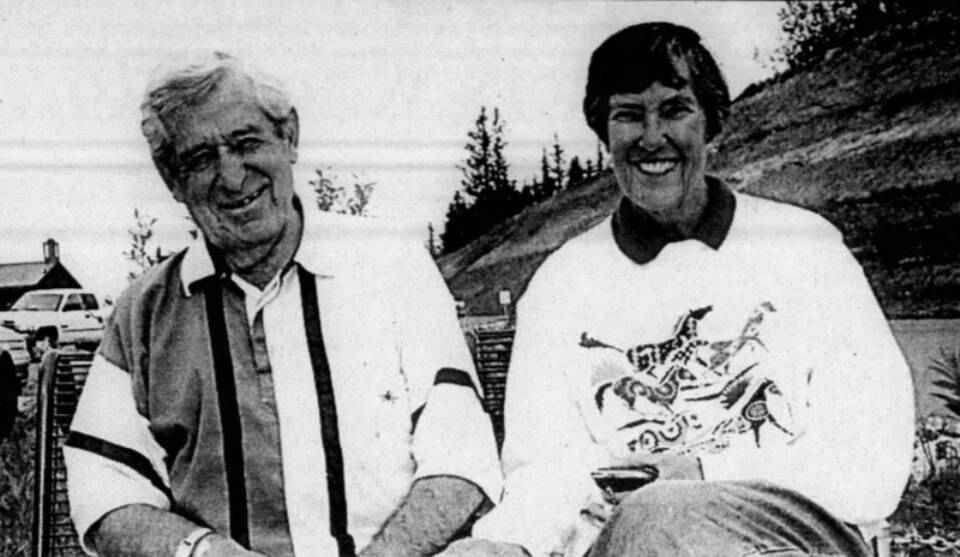

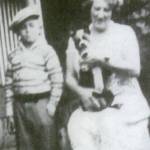
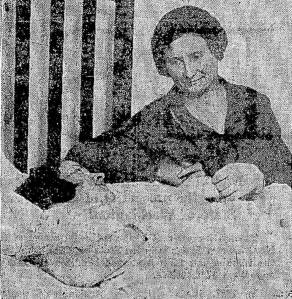
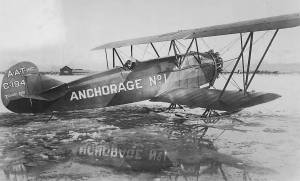
AUTHOR’S NOTE: On Oct. 4, 1918, a young mother named Margaret Sterling left her Nenana home to ride a launch up the Tanana and Chena rivers to Fairbanks to be with her ailing and hospitalized father. The next day, a telegraph message reached Nenana—and Margaret’s engineer husband Hawley W. Sterling—that the boat and all its passengers had sunk in the Tanana’s icy, turbulent waters, taking with it the lives of everyone aboard.
The Radford sisters
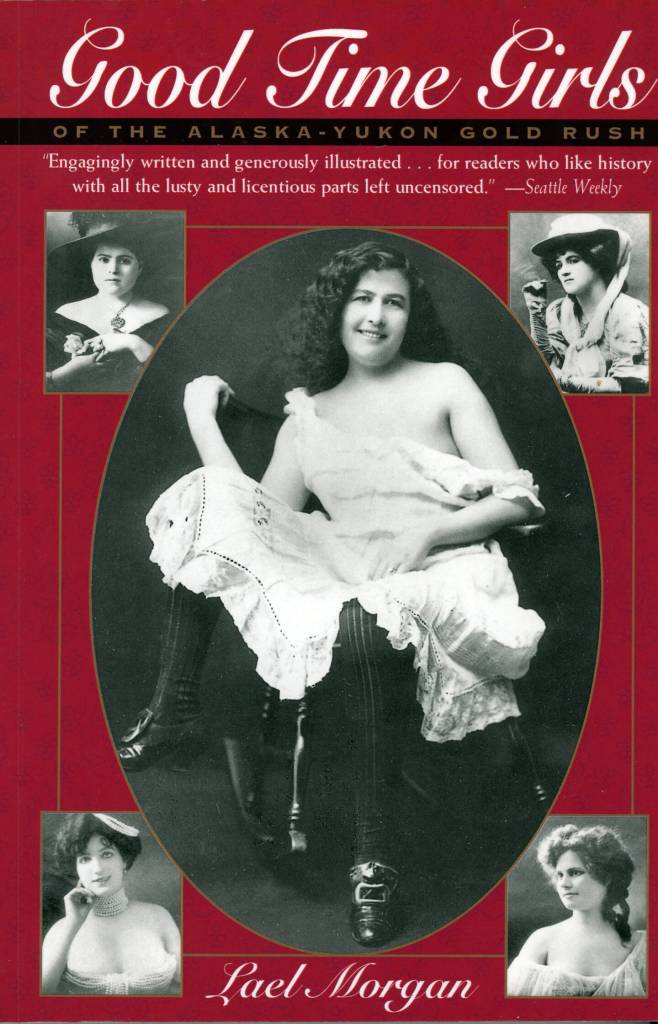
In the autumn of 1917 in Nenana, according to author Lael Morgan in her 1998 history, “Good Time Girls of the Alaska-Yukon Gold Rush,” Edna Radford Palmer attended a movie and found herself sitting next to a young woman named Margaret Sterling. The two women, about the same age, struck up a conversation. Margaret, whose husband, Hawley, was in charge of a Nenana construction camp, was pregnant with her first child.
“Edna, who seldom met pregnant women on the fast track she’d been traveling,” wrote Morgan, “was intrigued. When the baby began to kick, Margaret let [Edna] feel the motion. Edna thought enough of the incident to mention it to [her older sister] Edith, although she didn’t know how it would change both their lives.”
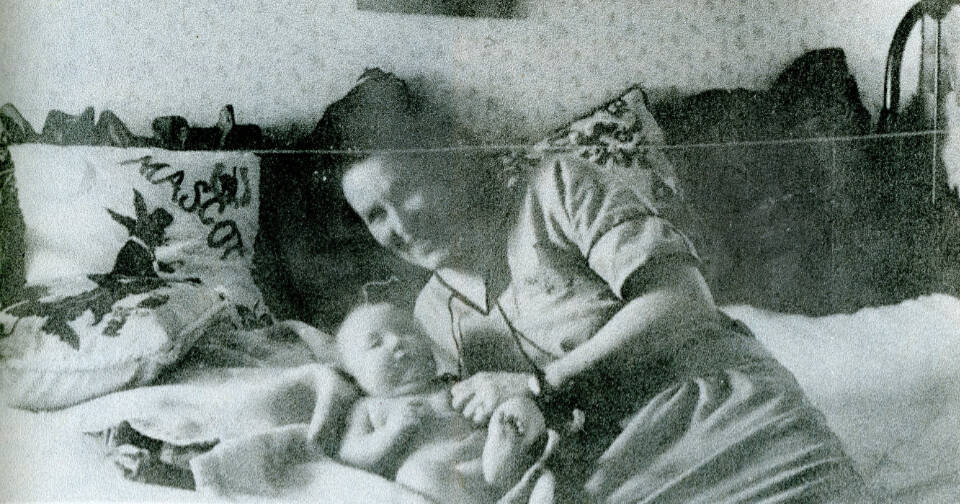
More than a year later, Margaret was presumed dead, victim of a boating accident on the icy Tanana River, and Hawley was desperately trying everything within his power to find his wife’s body while simultaneously attempting to be the best father he could for his infant son, Joseph. By summertime 1919, as he renewed his search, he deposited his son with his Fairbanks in-laws, Frank and Margaret Young.
On June 19, 1919—eight and a half months after the accident—a logger named William McDougal discovered Margaret’s body floating in an eddy on the Tanana, only about three miles above Nenana and many, many miles downstream from the accident site. Her badly decomposed body, from which the ice and water had almost completely shorn its clothing, was identified by two rings she had been wearing. Inside a ruby ring was inscribed “From Hawley to Peggy.”
Just four days later, the body of another passenger, Charles Craig, was also recovered. The body of Craig’s wife, Anna, had been recovered only days after the accident. Although the record is unclear, it appears that none of the other bodies were ever found.
Margaret Sterling’s remains were sent to Fairbanks to be interred in the Catholic Section of the Fairbanks Cemetery. Meanwhile, Hawley Sterling continued to mourn. According to Morgan, he began frequenting Nenana’s red-light district, hoping to find a suitable mate who could become a second parent to his young son.
His first attempt at a second marriage involved Edith Neile, the older sister of Edna Palmer, but when he asked her to marry him, she gently turned him down.
Lael Morgan dedicated an entire chapter in her book to the life and times of Edith (nee Radford) Neile, who worked “the Line” in both Fairbanks and Nenana. The Line was an area of legalized prostitution, and Edith Neile was one of its headliners—not just for her occupation but also for her genuine generosity. Neile’s nickname on the Line was the “Oregon Mare,” and Morgan supplied a number of stories related to its origin.
So well known in the Interior was Edith Neile that when she died, at age 83, in a Seattle rest home in 1962, the Fairbanks Daily News-Miner published a front-page obituary.
When younger sister Edna arrived and joined Edith on the Line, she, too, soon garnered a nickname, the “Colt.” But, unlike Edith, Edna grew eager to leave the red-light district behind, especially after Hawley Sterling turned his romantic attention to her.
“Exceedingly handsome and strong, the young widower was easy to love,” wrote Morgan, “and Edith adored his son, Joey. But Edith had entertained many offers of marriage. She knew she would not be a suitable wife for Hawley (or anyone else), and she told him so. When Edith would not change her mind, Hawley began an affair with Edna which turned into a real love match…. (Edna) had been intrigued with little Joe since she first felt him kicking in his mother’s belly, and was thrilled by the idea of helping raise him.”
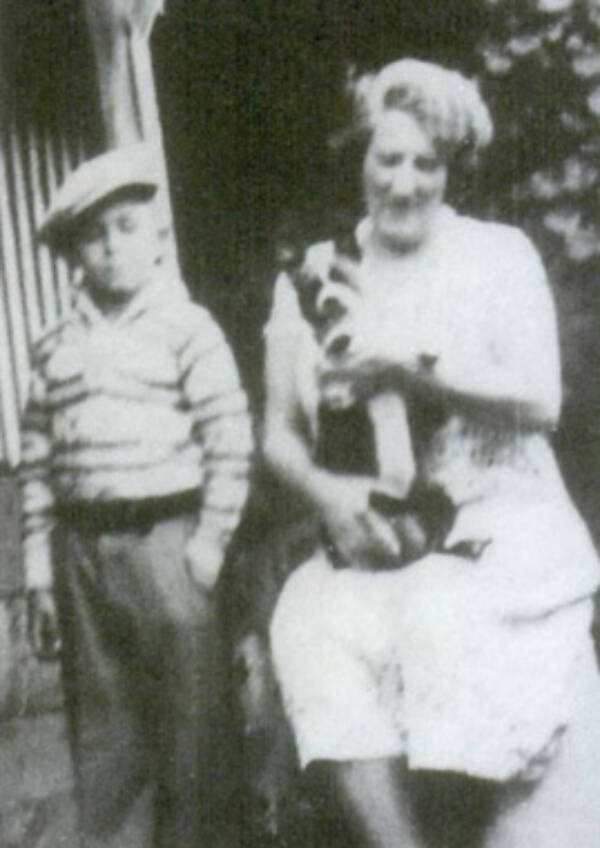
Hawley and Edna married on Sept. 26, 1920, before Nenana’s U.S. commissioner, R.S. McDonald. It was Edna’s fourth marriage—at least two of the previous marriages having concluded in divorce—and it would be her last. Hawley and Edna would remain married until his death nearly three decades later.
Custody concerns
Although the marriage of Hawley and Edna would prove loving and enduring, one serious difficulty arose early on. According to Lael Morgan, “The only problem was that Hawley’s former in-laws, Frank Young Sr. and his wife, refused him custody of his son on the grounds that Edna would be an unfit mother.”
Consequently—30 years before the new highway through the Kenai Peninsula was officially dedicated and named in honor of Hawley Winchell Sterling—the Sterlings found themselves in court. Testimony took place before Judge E.E. Ritchie in May and June of 1922.
Morgan called the Sterlings’ action “a brave move because it made their private lives public. But Edna wanted little Joe as much as Hawley did, and they waged an unflinching campaign to win him.”
Before Judge Ritchie announced his decision, however, things got ugly. As Morgan wrote, “The Youngs spared them no pain.” In court, the Youngs stated that the home environment created by the Sterlings was unsuitable for “the bringing up of a child under tender and impressionable years.”
“The Youngs maintained,” wrote Morgan, “that Edna had been a prostitute right up to the very day of her marriage. She had been intoxicated, used profane language, and continued to associate with women of ill-repute, they said. Also, they charged Hawley with intemperate and immoral habits.
“[They contended that] their daughter had wanted [her parents] to have her boy because she was concerned about Hawley’s lifestyle….” Morgan continued, “And they claimed Hawley had not paid them adequate child support.”
But Hawley was ready for the Youngs’ challenges. He stated what was already understood in Interior Alaska, that his first wife had adored him. He told the court that little Joe’s grandparents had attempted to poison him against his father—to the point that the now four-year-old was afraid to accompany him on walks. And he proved to the court that he had attempted to pay child support but that the Youngs had often refused to accept it.
“He conceded,” wrote Morgan, “that Edna had at one time been a prostitute in Nenana and Fairbanks and that his own past was not unblemished,” but he insisted that, since marriage, Edna “had ceased to live an immoral life.”
Hawley had also investigated the Youngs, and he countered their immorality charges with his some of his own.
He concluded his testimony with a note about his career: He was now the superintendent of the Alaska Road Commission at Fairbanks, and he was therefore fiscally capable of providing a good home for his child.
The judge concurred.
Interestingly, wrote Morgan, Joe Sterling “would recall his childhood as a normal and happy one. He loved Edna, and he also loved his Aunt Edith, who was delighted to have a bright young nephew.”
TO BE CONTINUED….