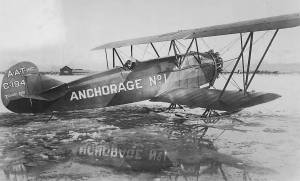
Winter rescue: Saving the teacher’s life — Part 3
Published 3:30 am Thursday, June 25, 2026
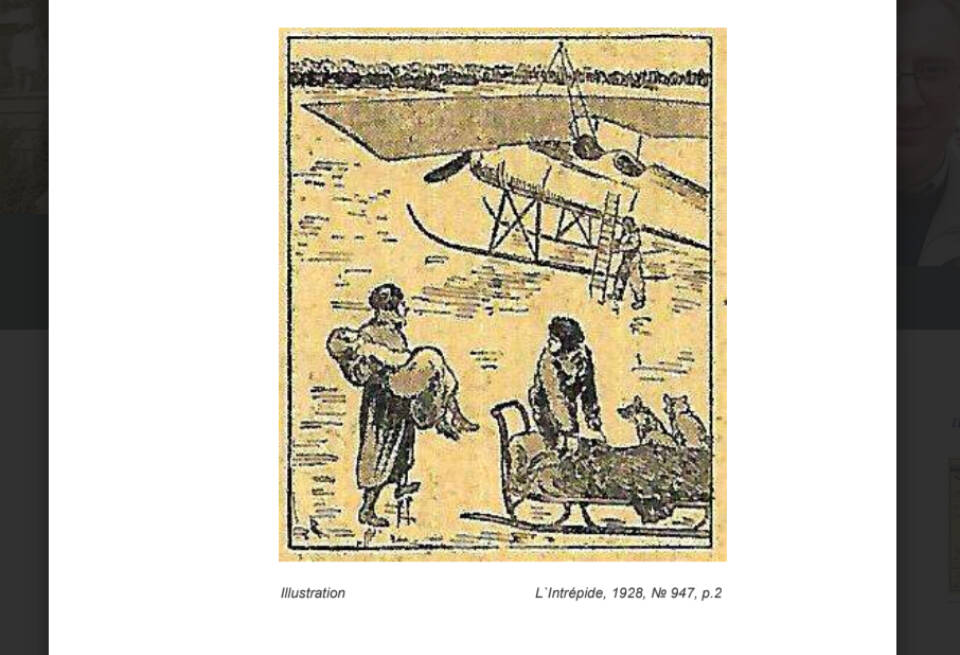
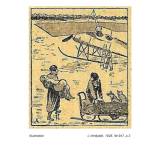
AUTHOR’S NOTE: On Nov. 20, 1927, Ninilchik schoolteacher John Bess Howe accidentally shot herself in the abdomen while cleaning a gun. After waiting in pain for several days, she was transported to an Anchorage hospital, where she was operated on and convalesced.
On Dec. 21, 1927, after spending nearly a full month in the Anchorage Railroad Hospital, gunshot victim John Bess Howe finally was moving on to the next stage in her recovery.
Hospital staff moved her from her bed onto a stretcher and loaded her into an ambulance so she could be transported safely to the Anchorage railroad depot. There, she was placed aboard a train bound for Seward. In the Gateway City, she was transferred to the S.S. Alameda, which then sailed for Seattle.
Howe had chosen her own hospital-departure date because Narene Elliott, a nurse from the Anchorage hospital staff, had a planned trip to Seattle at that time, and Howe thought it would be wise to have medical accompaniment on her rail-and-sea journey to the states.
The two women arrived in Seattle on Dec. 28, and Howe was then transferred from the port to a bed in Virginia Mason Hospital, where she was tended to by no less than hospital founder Dr. James Tate Mason.
The Seattle Daily Times, in the mistaken belief that Howe had been injured just 10 days earlier—instead of Nov. 20, more than five weeks in the past—offered its readers this bit of hyperbole about the hospital’s new patient: “Using an airplane, train and steamship in a race against death, Miss Bessie Howe, government school teacher accidentally shot in Ninilchik, Alaska, is in Virginia Mason Hospital where chances for her recovery were reported as favorable.”
The truth was that Miss Howe was well on her way to recovery. In fact, her mother, traveling from northcentral Texas, was about to join her in the Seattle hospital, where they were about to celebrate New Year’s Day together.
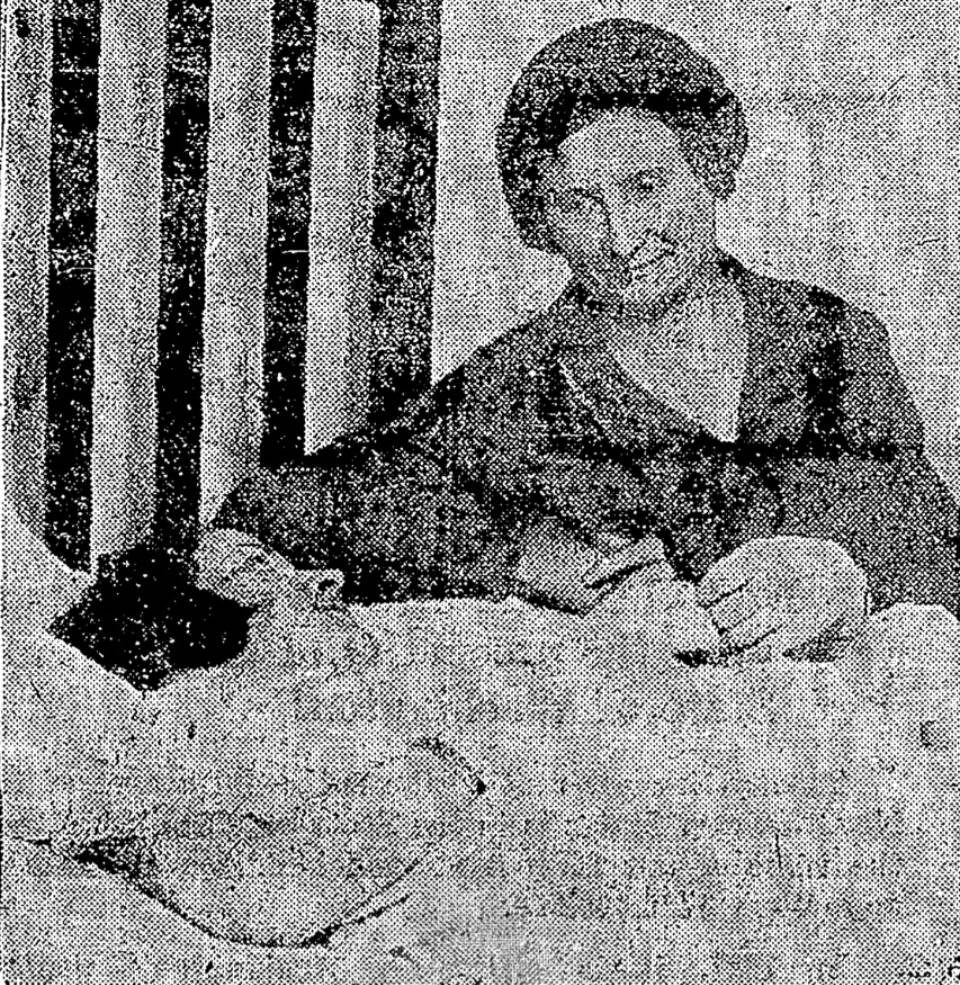
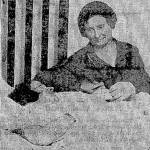
On that same day, a photo of the two women—concerned mother peering down at convalescing daughter from her bedside—appeared on page 14 of the Seattle Daily Times, along with two other photographs and a full, mostly accurate article about Miss Howe’s ordeal.
The end of the article offered a quote from Howe about her post-recovery plans: “Oh, everyone is so nice, and the world is so good,” she said. “And I’m going back [to Alaska]. The people of the North are wonderful, every one of them. I’m going back in May.”
Many newspapers of the time were offering words of praise for those who had shepherded the young teacher through the hardships of the past few weeks. The writers or editors of some of those papers, however, seemed to have their hearts slightly less open than that of Howe herself.
For instance, the Beaumont (Texas) Enterprise, on Dec. 30, began by comparing Howe’s rescue to a Jack London adventure story, rife with “danger, courage, struggle and death which comes out of the arctic night, all centered around a Texan girl!”
The article concluded with: “The glory of the strong north has not departed…. The scenery has changed a little, and the ‘props’ are not all the same, but it is still a land of strong men and venturesome women. Let’s stop a moment in the busy whirl of this easy life to remember [rescuers] Kotoff, Merrill and Haverstock. Such men as they have made the white man conqueror of the earth.”
A brief glimpse back
John Bess Howe, the woman that Seattle Post-Intelligencer reporter Marie Dunbar called a “fragile, soft-spoken Southern girl,” was born Sept. 6, 1905, on the family ranch in the cattle-oriented Hashknife community of Baylor County, Texas. Her parents were Lewis “Loo” and Lena Dell (nee Parker) Howe.
Why the Howes chose to give their new daughter (after one other girl, Jettie, and a boy, Beryl) the first name John is not clear, but it may have been in honor of Loo’s own father, John Howe, who had died six years earlier. If so, it is equally unclear why the Howes did not choose to name their son, born in 1904, after his grandfather.
Both the 1910 and 1920 U.S. Census list John Bess Howe as “Bessie,” but, starting with the 1930 census, she appears consistently as “John Bess.”
Howe graduated from high school in the nearby county seat of Seymour in May 1924. In her senior year, she was class secretary, participated in the senior class play (Love Pirates), and helped select the class colors, flowers and so forth.
That fall, she began attending the College of Industrial Arts in Denton, Texas. The school, known in the area as C.I.A., had begun more than two decades earlier as the Girls Industrial College. In 1934, it would change its name again to the Texas State College for Women.
It is uncertain when Howe completed her studies there and whether she taught elsewhere before leaving for Ninilchik in mid-August 1927. According to her obituary, she also attended West Texas State University (in Canyon, Texas) and the University of Colorado (in Boulder).
Likely, she was delivered by steamship into Cook Inlet and deposited eventually in the village where she must have expected to fulfill the terms of her teaching contract and spend at least most of the next year.
By early December 1927, less than three weeks after Howe’s accidental shooting and her rescue, Ninilchik resident Walter Kotoff, the primary hero—in the eyes of the Alaska public, at least—was being lauded in the press and was, in some quarters, being championed as deserving of a prize for his efforts.
“No more startling tale of personal heroism ever came out of the Northland,” said an editorial in the Seward Daily Gateway. “Here was an act of sacrifice for a fellow being worthy of the highest honor this land can bestow.” The newspaper, with “great pleasure,” nominated Kotoff to the Carnegie Institute (of New York City) for its heroism award.
A few days later, the Seward Chamber of Commerce followed suit, drafting and adopting a resolution to reward Kotoff for his actions. Various efforts to reward Kotoff would continue for more than a year.
And those efforts would intensify after he helped rescue someone less than two months after helping to save Miss Howe.
TO BE CONTINUED….