‘What’s in a name?’: Reviving a forgotten past — Part 4
Published 1:30 am Thursday, March 5, 2026
AUTHOR’S NOTE: This is the fourth in a multi-part series about Kenai Peninsula places and landmarks that once had different names. Previously, the series has discussed Cooper Landing and Tern Lake.
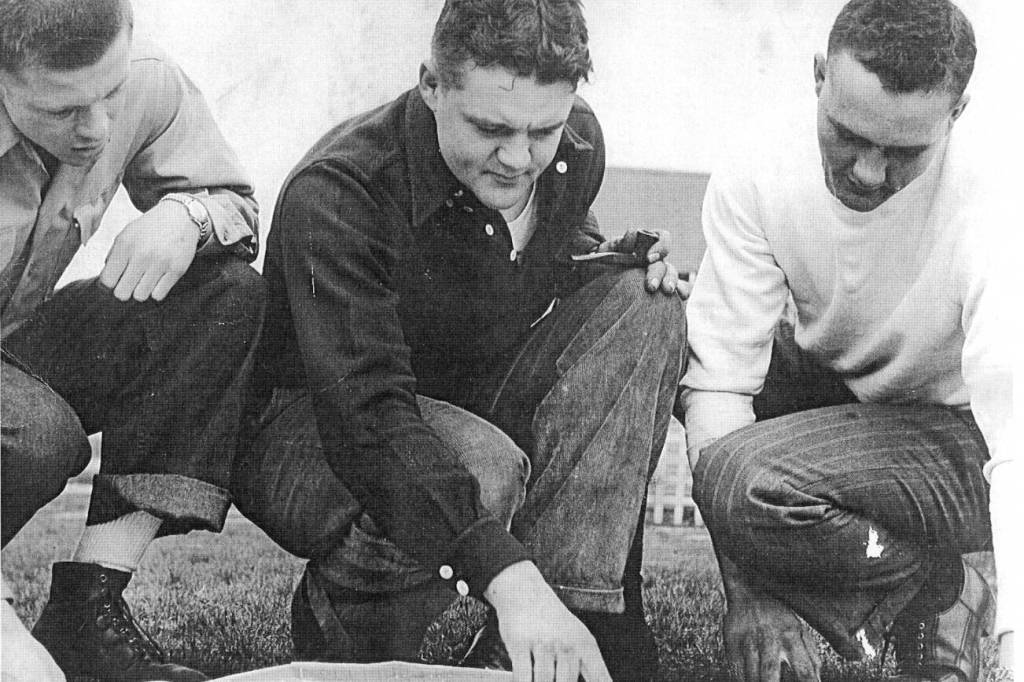
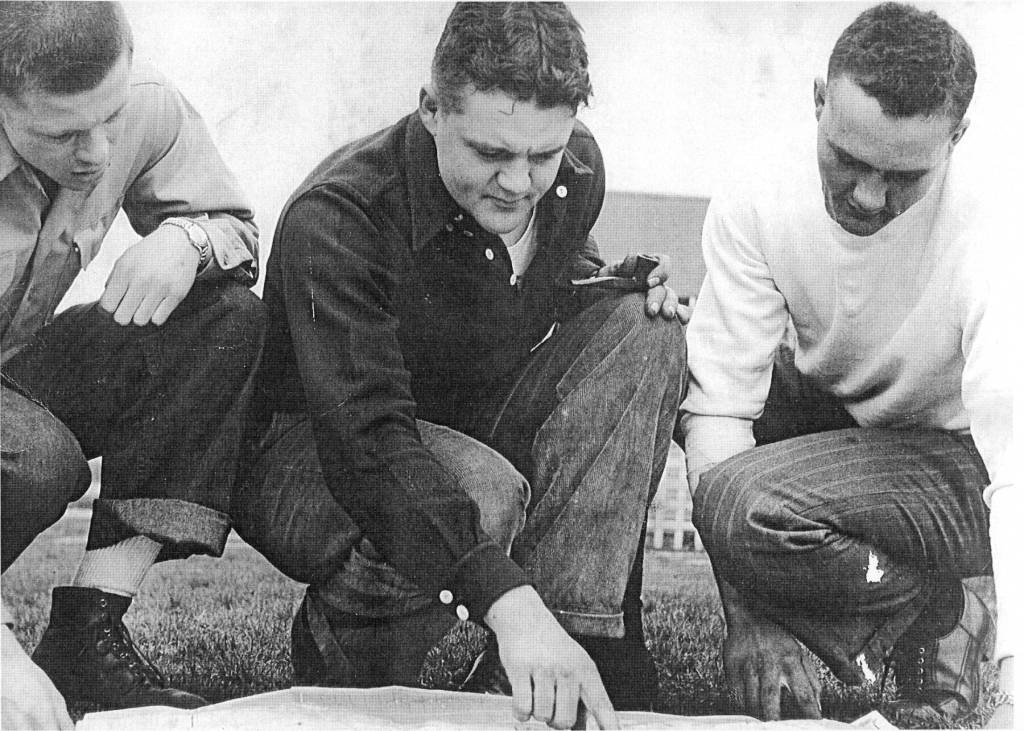
After World War II, the brothers Alex and George Petrovich began seriously considering the idea of leaving their homes in Indianapolis and moving with their families north to the Territory of Alaska. They had heard that the federal government would soon be making land available for homesteading on the western Kenai Peninsula, and they began researching and planning for new homes there.
According to Carla Petrovich Rusk and her older brother Pete Petrovich, in their 1995 memoir, “Naptowne: The Kids’ Story,” their father, Alex, had a dream “to start a town where families would raise kids with good basic values and would support one another in whatever business or endeavor an individual family could contribute to the town’s overall plan.”
Alex Petrovich already knew what he wanted this new town to be called. It would be based on the nickname of the city he was leaving behind: Naptowne. “Years later,” wrote Carla and Pete, “the name always raised questions by anyone seeing it written or even passing through the area of our homestead. It was a chance to talk about where we were from and what we were planning.”
Walt and Elsa Pedersen, in their 1983 A Larger History of the Kenai Peninsula, wrote about what made homesteading on the Kenai a possibility in the late 1940s: “[The] U.S. Land Office surveyed three townships from Kenai village east to Skilak Lake in 1937, 1938 and 1939. Within this area lay the future sites of Soldotna, Sterling and the Sterling Highway. [But before] the land was opened for entry, World War II engulfed Alaska and the plan was canceled.
“At the end of the war,” continued the Pedersens, “the demand for homestead land was intense, and the three townships were again opened to entry in August 1947 with a 90-day preference right for veterans of the war. It was then that the first legal homesteads were staked in the Sterling Highways.”
Much of the available land was in bad shape. The 300,000-acre Kenai Burn had ravaged the area that summer and was still smoldering in places when prospective homesteaders arrived to stake out parcels and apply for patents.
Some of those early arrivals included Jesse and Nina Robinson, John McFarland and Edgar Law and their families, the Pedersens, Tom Harrison and Harry Saindon.
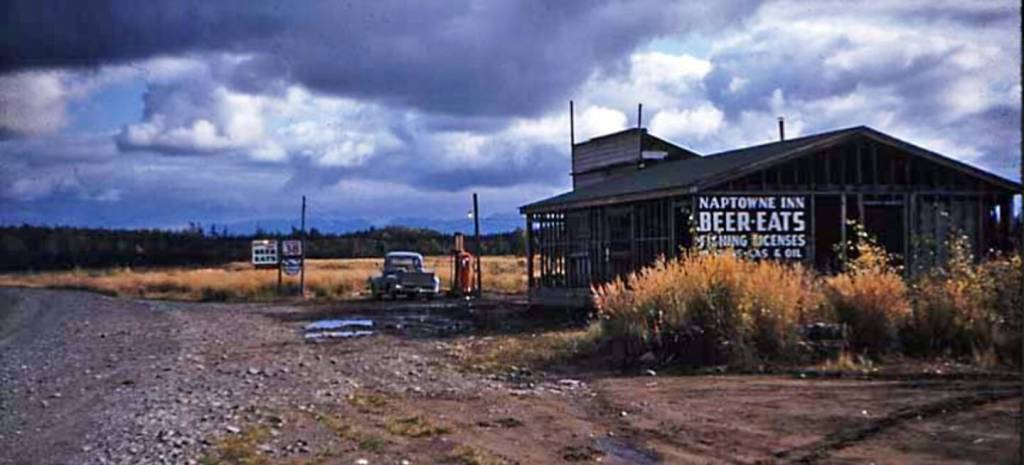
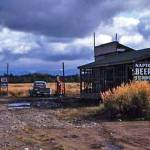
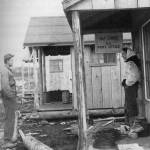
The Petrovich brothers, neither of whom had served in the war, waited out the veterans-preference period and then joined the next wave of settlers. They staked land east of the Moose River’s confluence with the Kenai River, and then the two families constructed a lunch counter and gas station—calling it the Naptowne Inn—where the new highway passed through their property.
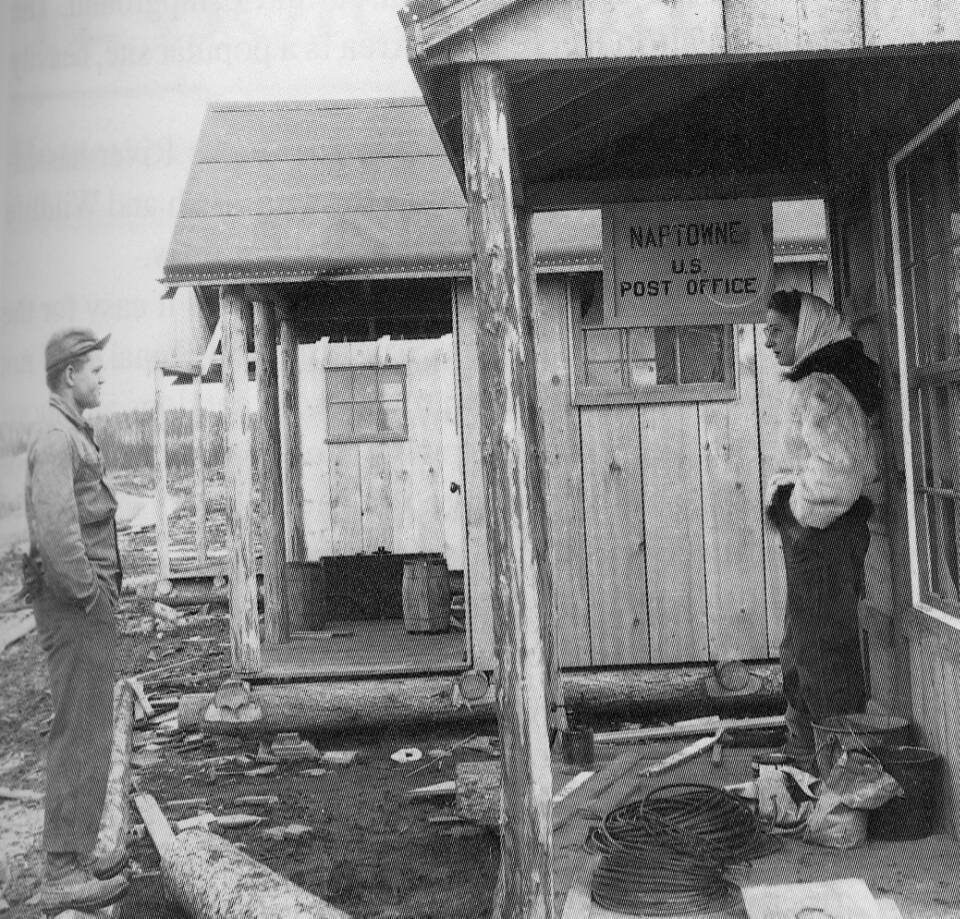
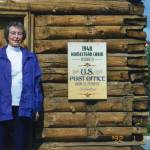
When mail service was established in the Petroviches’ business on June 1, 1949, it was called the Naptowne Post Office.
The highway running through the Petrovich homestead was named for Hawley Winchell Sterling, the assistant chief engineer during its construction. The highway provided access to much of the land available for homesteading, and its name was a tribute to the man who had died of stomach cancer shortly after the northern portion of the road was completed.
When the Petrovich families left the area in the early 1950s, affection for the Naptowne name waned quickly. A few years later, Walt Pedersen and other residents circulated a petition to rename their town as a further tribute to Hawley Sterling.
“Many people reportedly were weary of explaining the name Naptowne to those who would question the wisdom of a such a choice and the accompanying misspellings,” wrote Carla Petrovich.
The Pedersens put it more bluntly: The community needed “a more suitable name…. People felt that Naptowne had been named as a joke which was pointless now that the Petroviches had left the area. It was tiresome to correct the spelling—from Knaptown through Napptown—and to rebut the remarks about ‘Sleepy Hollow’ and the suggestion that residents must enjoy a snooze every afternoon.
“More practically,” they continued, “people were distressed that their mail and freight were sometimes missent to Napakiak, Napaiskak and other Eskimo villages farther north and that weeks could go by before it was forwarded to Naptowne.”
The petition, signed by a majority of residents, prompted the official shift to Sterling on Oct. 1, 1954.
In retrospect, said Carla Petrovich, she understood the desire for the change, but at the time “my wounds were so raw and fresh…. Pete and I did not talk of it until many years later.”
The Naptowne Post Office became the Sterling Post Office, and the town’s identity shifted. The notion of “Naptowne” was preserved in only the nearby Naptowne Rapids on the Kenai River and in the Naptowne glaciation during the Pleistocene period.
The Petrovich homestead (including the business) was purchased by Merle “Bing” Brown, a retired state policeman from New York. He established Bing Brown’s Motel, and the area above Naptowne Rapids in which he fished and trapped became known as Bing’s Landing.
Postscript
Down the highway a few miles west of Naptowne in 1947-48 was another place with a name problem. Today, this place is known as Soldotna, but when the highway was first opened to travel, the Soldotna-area-to-be was called “Kenai Junction.” It was little more than a place where two roads (the Sterling Highway and the Kenai Spur) merged, forcing drivers to make a decision: Go straight or turn?
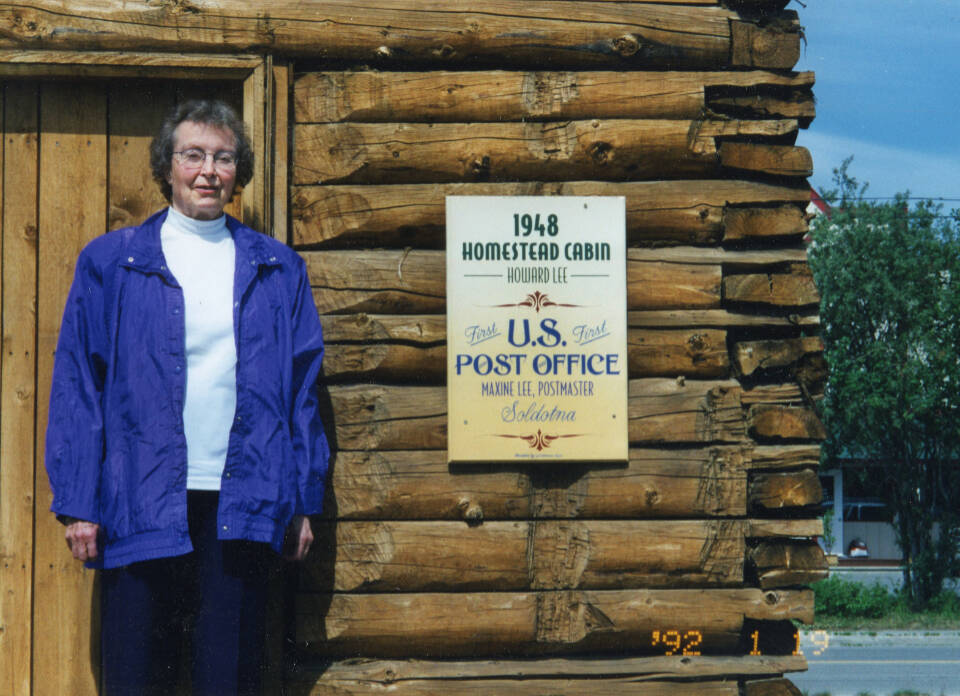
In this area was a small stream known (by various spellings) as Soldotna Creek, and in 1949, local residents signed a petition to establish a post office for themselves and to make homesteader Maxine Lee their first postmaster.
Lee submitted three names to consider for the new post office. The first two were probably in jest: Leesburg and Leesville. The post office was named for the creek and spelled S-O-L-D-A-T-N-A.
For a few years, residents argued over the spelling. It was not until the 1960s that the first “A” was replaced with a second “O.”
But some residents still argue on occasion about the original meaning of the name. It is generally accepted today that the etymology of the creek comes from the Dena’ina word ts’eldat’nu, meaning “trickling down creek,” not, as once strongly believed, from soldat, the Russian word for “soldier.”
The confusion seems to have centered around the mistaken belief that the traces of Native barabaras (house pits) discovered in the area were actually foundations from an old Russian-era military encampment. There is no proof that such an encampment ever existed on or near Soldotna Creek.
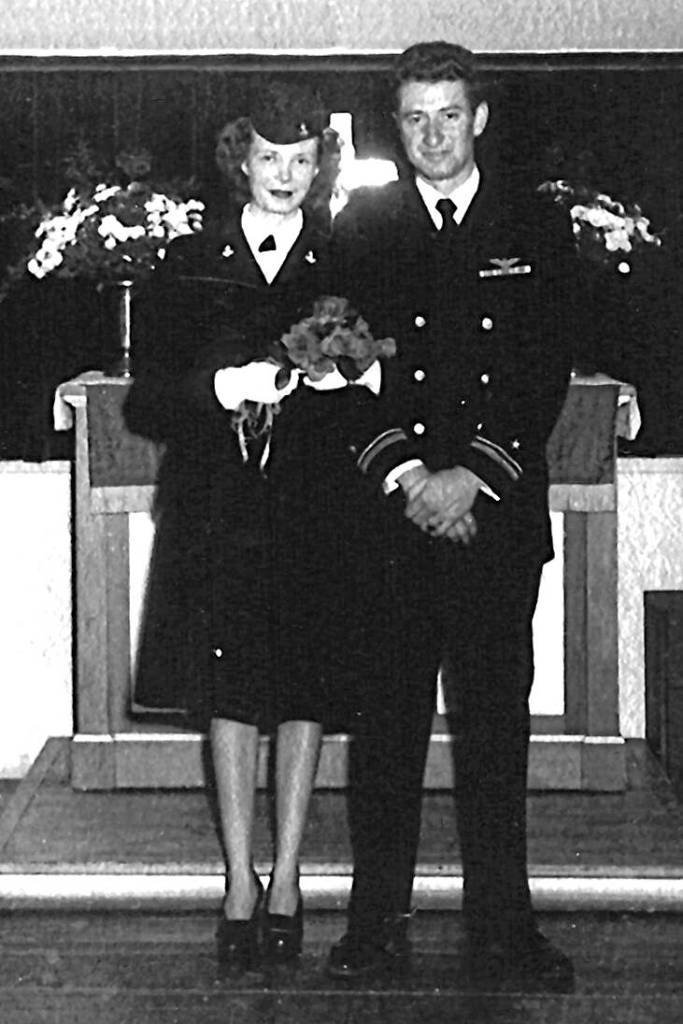
Maxine Lee’s husband, Howard, disagreed with the decision to change the name. In fact, years after he had moved out of state, he was still angry. Convinced of the Russian origin, he wrote, “the first spelling did have a meaning, but now it is just gobbley-gook [sic] in any language.” He called the government official who had approved the switch a “jasshonkey.”
NEXT TIME: SHIFTING WATERS — LAKES AND STREAMS WITH CHANGING NAMES