School board meets with state legislators
Published 4:30 am Wednesday, January 21, 2026
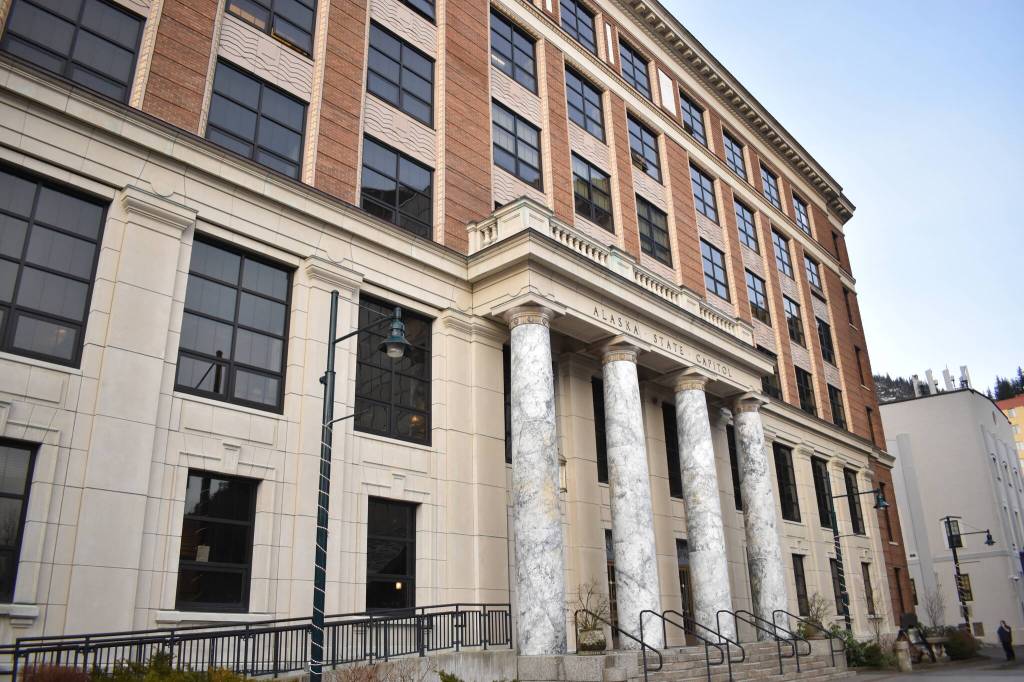
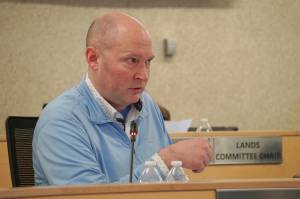
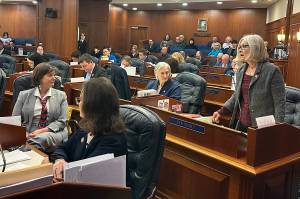
Four lawmakers attended a Kenai Peninsula Borough School District meeting on Jan. 12 to meet with school board staff ahead of the legislative session. Representative Bill Elam, R-Nikiski, Senator Jesse Bjorkman, R-Soldotna, Rep. Justin Ruffridge, R-Soldotna and Rep. Louise Stutes, R-Kodiak discussed funding, Senate Bill 113, testing standards and more.
Staff at KPBSD identified three main goals for the upcoming legislative session: strengthening student success by supporting literary and math skills and offering career and technical education opportunities, finding ways to sustainably fund schools, and ensuring safe and supporting learning environments.
Senate Bill 113
In what Bjorkman referred to as a “common sense change that many folks have agreed on for years,” Senate Bill 113 would require companies that do 50% or more of their businesses online to pay a state tax, paying for part of an education funding measure. Gov. Dunleavy vetoed the bill in September, but the House could vote to override the veto.
Outdated corporate tax laws don’t require social media or streaming companies to pay corporate taxes in Alaska despite paying them in 36 other states. By closing this loophole, the bill would have generated $25 to $65 million annually, according to a Sept. 29 press release from the Senate. The changes wouldn’t have increased consumer costs.
Elam said he voted no when the bill was initially introduced, citing structural and regulatory issues.
“My opinion hasn’t changed on it,” he said. “We need to clearly work through the regulatory issues that would come through with it. We have some of the highest corporate taxes out of all the states out there, and so there’s a lot of ripples around this, and then it turns into, again, a big, giant regulation package that has to come in and be built for it.”
Bjorkman said he’d vote to override the veto, saying other states are taking tax dollars that should be coming to Alaska. Additionally, he said the bill would make the state more appealing for technological investment by ensuring that companies are taxed exclusively for business conducted in the state.
“Our current tax structure discourages businesses from being located and having physical presence in Alaska,” he said. “This will level the playing field and take Alaskan dollars that are going to other states and bring them here. It would, through an amendment that I created with Senator Young, directly bring money into our career and technical education program. It’s a common sense reform, and yeah, I don’t know why we didn’t do it.”
SB 113 is scheduled to undergo a veto override vote on Thursday.
Testing homeschooled students
State law currently allows parents or guardians who homeschool their children to opt their student out of taking statewide assessments, according to reporting from the Alaska Beacon. Less than 15% of homeschooled students participated in the state’s standardized math assessment statewide last year. According to the Alaska Department of Education and Early Development, 80% of students in brick-and-mortar schools took the same exam.
Elam said testing homeschooled students is “a challenging topic” because it’s never been done.
“Because they haven’t been tested before, to me, is not a good reason not to figure out some kind of program where they can be tested,” Stutes said. “I mean, how do we know we’re not graduating high schoolers that can’t read and write when they’re not tested?”
A new bill sponsored by Rep. Alyse Galvin, I-Anchorage, would require all school districts’ homeschool programs to maintain a testing participation rate that “meets or exceeds the district student participation rate.” House Bill 248 would allow the state to withhold funding from homeschooled programs if the district failed to comply.
Statewide measure of achievement
Echoing what he said during a town hall last month, Bjorkman said he’s introducing a bill requiring students to prove that they are certified in Alaska state standards before graduation. Alaska hasn’t had a standardized state test since the High School Graduation Qualifying Exam was repealed in 2014.
Bjorkman filed Senate Bill 209 ahead of session. If passed, it would add social studies competency to high school graduation requirements and require DEED to develop state testing requirements to measure proficiency in math, science, economics and social studies for grades eight, 10 and 12.
“I think that it’s important that not only our students are attending classes and earning credits, but also that there is some statewide measure of achievement that’s available to everybody,” he said. “It’s not a mandatory thing; it’s not something that is a high stakes test. It’s simply an ability for folks to participate in confirmation of achievement that they are proficient in the standards.”
The bills and many more will be heard and debated in the coming weeks of the legislative session.