Department of Natural Resources seeks public input on proposed Kenai Peninsula State Forest
Published 10:30 pm Saturday, December 6, 2025
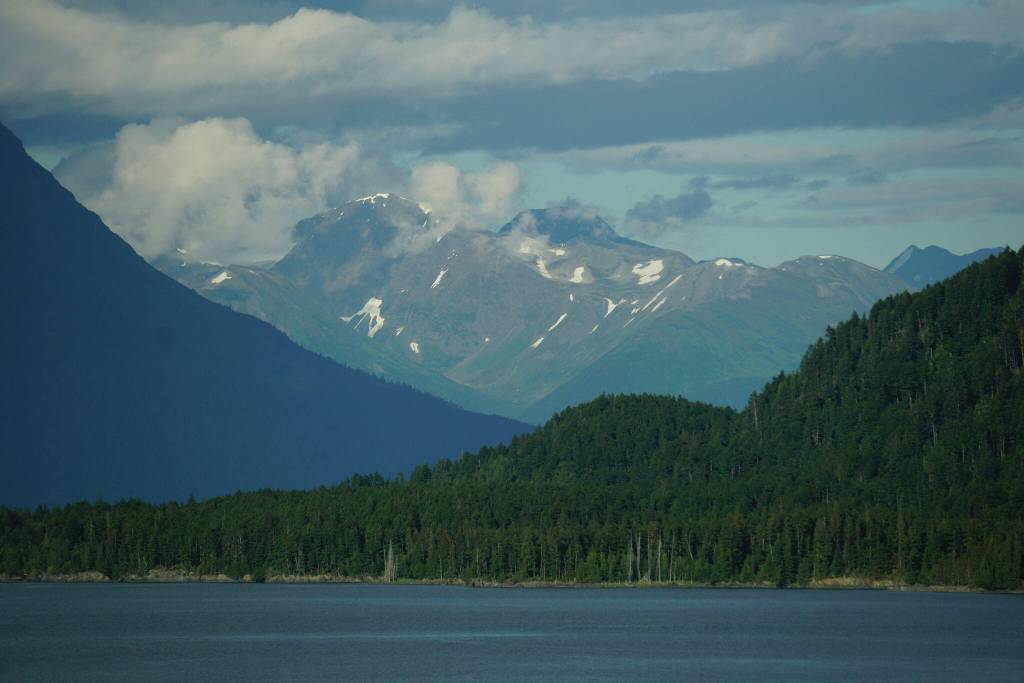
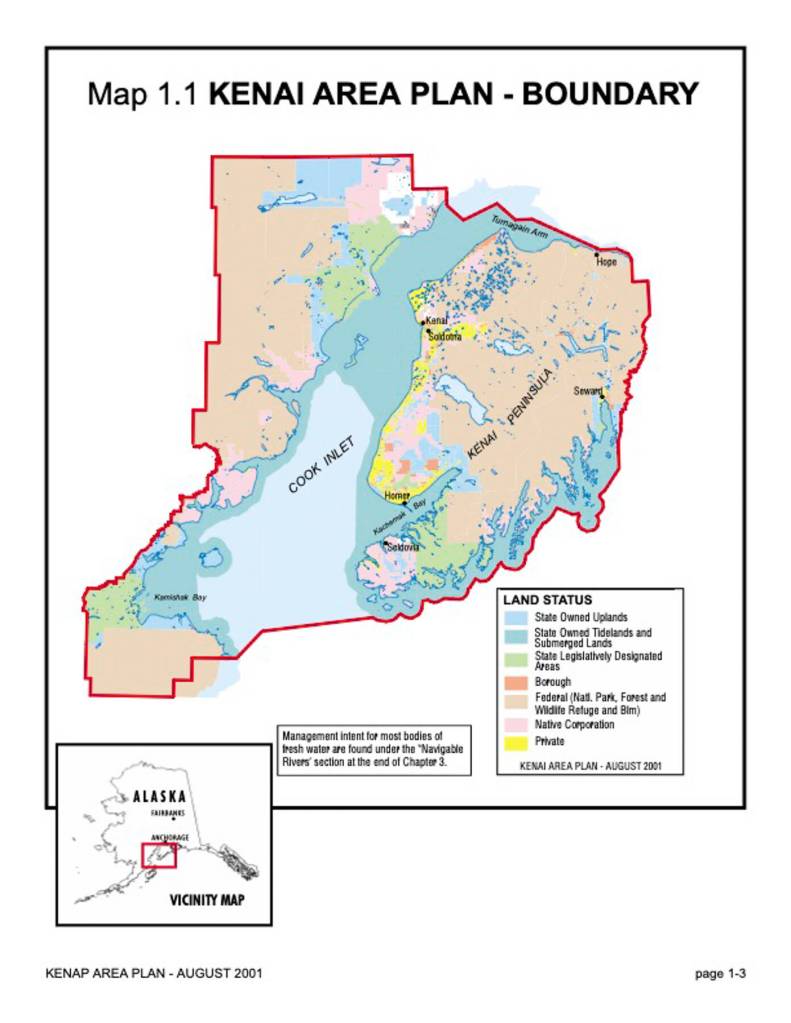


The Department of Natural Resources is gathering community perspectives on the potential establishment of a Kenai Peninsula State Forest during several meetings this week.
Meetings are scheduled for 2-3 p.m. on Monday, Dec. 8, at the Ninilchik Community Center; Tuesday, Dec. 9, from 6 to 7 p.m. at the Soldotna Public Library; Wednesday, Dec. 10, from 6 to 7 p.m. at the Seward Community Library; and online via Microsoft Teams on Thursday, Dec. 11 from 6 to 7 p.m.
According to an email from Jeremy Douse, Alaska Division of Forestry and Fire Protection Director and State Forester, state forests are primarily managed for timber production and regeneration, but they also create opportunities for recreation.
“This designation provides long-term certainty for the State, industry, and local communities by retaining the state forest in state ownership to protect investments in reforestation and forest roads and sustain healthy, resilient forests for future generation,” Douse wrote in an email to the Clarion. “A state forest is a working forest that supports jobs, local economies, and promotes a localized forest products industry.”
Because state law says only the Alaska Legislature can designate a state forest, public input received will go to the department commissioner. With enough public interest, the commissioner will forward the proposal to state lawmakers. Sen. Jesse Bjorkman, R-Nikiski, is working with DNR to pass information along to the public.
“Creating a state forest is an iterative process where first there is interface with the public, DNR and stakeholders about what it means for land to be classified as a state forest, and what the public’s interest is in that classification,” Bjorkman said. “My role in this process has simply been a conduit of information despite what you might see in some Facebook comments from folks.”
Because there isn’t an official proposal until after public input is received, DNR hasn’t released maps detailing the area of land that would become the state forest. However, Douse said designating parts of the Kenai Peninsula in need of extra care would allow the Division of Forestry and Fire Protection to invest in long-term solutions.
“Active forest management involves planned, science-based actions such as sustainable timber harvest, reforestation, thinning, fuel reduction, habitat diversification, and improving access for wildfire response,” Douse wrote. “On the Kenai Peninsula, areas affected by spruce beetle mortality may provide strong opportunities for reforestation, regeneration, and long-term stewardship.”
DNR already owns the areas affected by spruce beetles, but the Division of Mining, Land and Water currently has oversight of those areas. Creating the state forest would simply shift management duties to the Division of Forestry and Fire Protection while maintaining state ownership.
The creation of state forest roads would open a myriad of land use opportunities, including subsistence practices like hunting, fishing and gathering, and recreation activities such as hiking, skiing and biking. But according to an email from Melis Coady, executive director of the Susitna Water Coalition, the proposed actions signal an expansion in industrial timber management and threaten ecosystems.
“The Kenai is defined by salmon-bearing systems, extensive wetlands, and groundwater-connected forests,” Coady wrote. “Large-scale road systems supporting industrial timber have persistent impacts on hydrology, stream temperature, and sedimentation. Hunting, subsistence, fishing access, winter trails, small businesses, quiet-use zones, and family recreation depend on intact landscapes and predictable, multi-use management — not large-scale industrial blocks.”
Coady said that although most folks are in favor of updating guidelines that would allow for more forest management — especially in areas with an increased wildfire risk due to changing stand conditions, deadfall and beetle kill — the need for modernization shouldn’t come with large-scale timber production.
“We can update stand management, improve fuel mapping, support small-scale timber, and address wildfire threats without transferring most state classified forest land to DFFP or committing it to a century-long timber mandate,” Coady concluded in the email.
In addition to attending the meetings, the public can submit written comments online or by mail. Comments can be emailed to stateforests@alaska.gov or mailed to the Alaska Division of Forestry & Fire Protection at 550 W. 7th Ave. Ste. 1450 in Anchorage. Comments are due by 5 p.m. on Jan. 16.