Alaska SeaLife Center admits two rescued sea otter pups
Published 1:30 pm Thursday, November 20, 2025
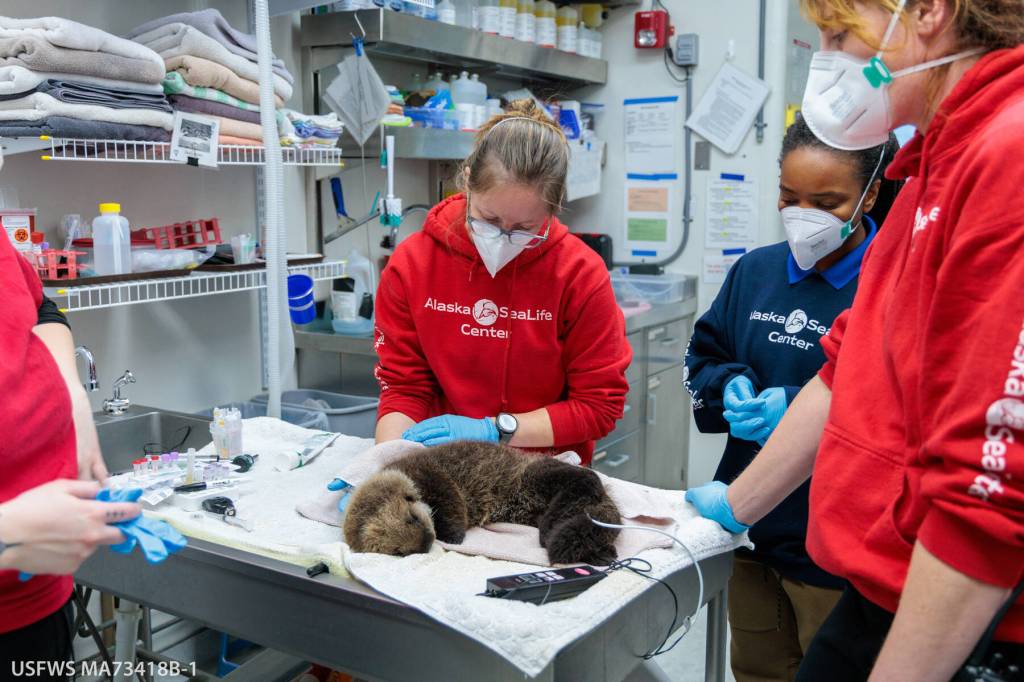
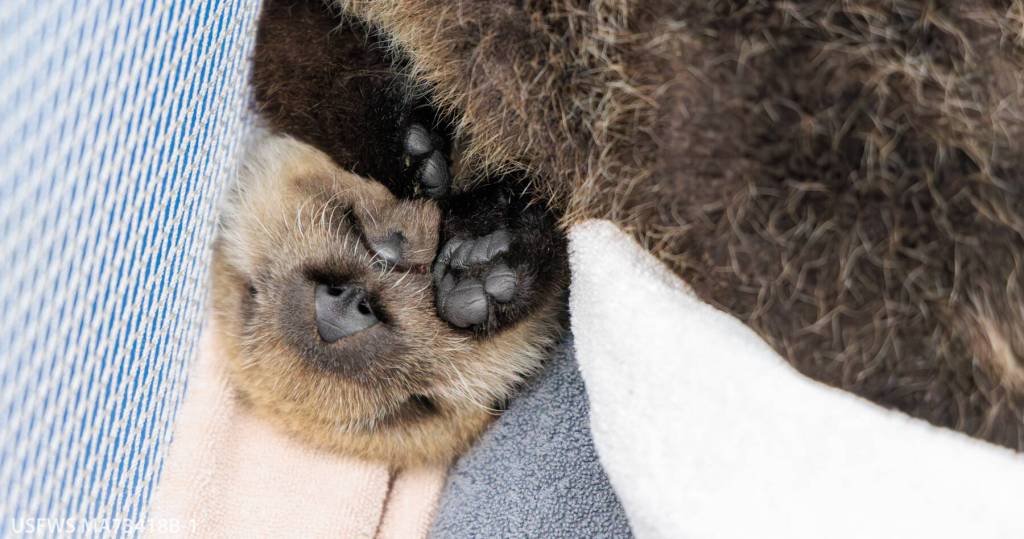

The Alaska SeaLife Center recently rescued two orphaned northern sea otter pups in two weeks, doubling the number of otter pups the center is currently caring for and marking an uptick in “orphaned, injured and deceased sea otter reports across the state this year.”
According to a Nov. 17 press release, a female sea otter estimated to be less than two months old was found alone and “extremely malnourished” on a beach in Homer on Oct. 20. She was admitted to ASLC for veterinary treatment and rehabilitation after staff and volunteers ensured no adult otters were in the area.
“Usually, when an otter pup is first admitted and receiving its first veterinary exam, it will vocalize often and move around a lot,” ASLC veterinarian Dr. Emmanuelle Furst said in the release. “This pup was so lethargic and weak that she barely made any noise, which was immediately concerning.”
Ten days later, shortly after a fall storm passed through Homer, a male otter pup was found near the same area where the female pup was discovered. The pup, who is estimated to be between four and six months old, was in better shape than the female, but still extremely lethargic and in poor condition.
Although the female pup has started to gain strength and weight, she remains in critical condition and is receiving round-the-clock care. The male pup remains in stable condition, but ASLC staff remain “guarded.”
“His condition isn’t drastically declining, but it also hasn’t clearly improved,” Kaiti Grant, ASLC Media and Communications Manager, wrote in an email to the Clarion. “We’re running additional diagnostics to get a clearer picture of what he needs.”
The facility is now caring for four orphaned sea otter pups. Due to their young ages and dependence on human care, they are all non-releaseable and will remain permanently in human care.
Grant said there are no clear indicators for what’s causing the increase in afflicted sea otters so far, but ASLC will continue to test for a variety of potential conditions in the hopes of learning more about what is impacting wild sea otter populations.
“These young otters’ stories serve as a powerful reminder of Alaska’s unique wildlife and the ecosystems they rely on, and our shared responsibility to protect them,” the press release said.
ASLC was made aware of these strandings through the Stranded Marine Animal Hotline. Anyone who suspects a marine mammal is injured or stranded is encouraged to call the 24-hour Stranded Marine Animal Hotline at 1-888-774-SEAL (7325).