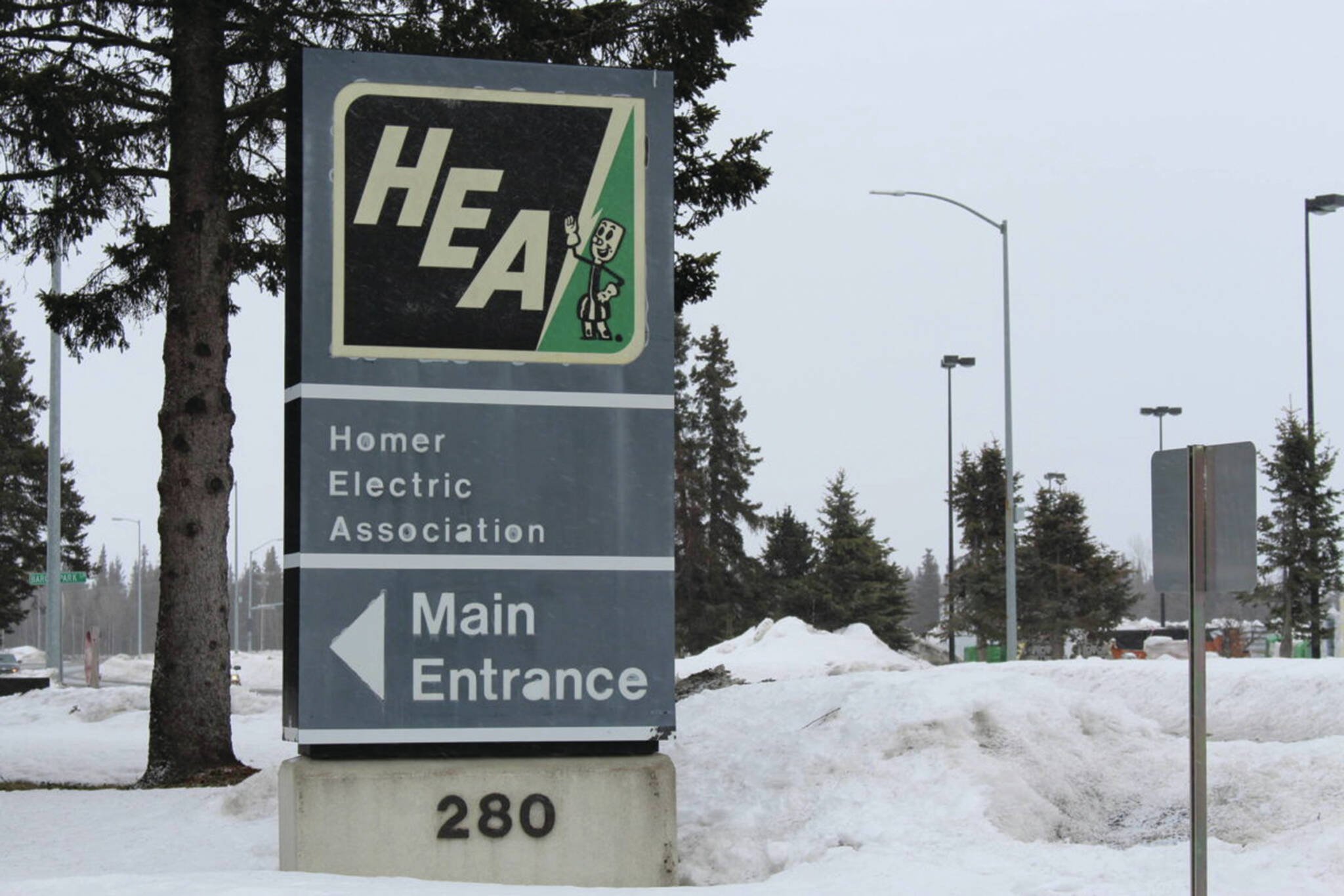
Homer Electric Association announced Friday, Dec. 19, that members should expect a 4% increase to their base rates, effective Jan. 1.
HEA previously enacted a 3% base rate increase effective April 1, citing inflation, supply chain challenges, investments in system upgrades and increased outage response due to spruce bark beetle infestations as driving factors. The April 1 adjustment increased residential energy rates from $0.16640 per kilowatt-hour to $0.17139 per kilowatt-hour. Prior to the April adjustment, HEA enacted a 3.5% base rate increase in January 2024.
According to the press release, base rates for HEA residential members using an average of 550 kWh per month are expected to increase by $3.77. At the same time, the cost of power adjustment, or COPA, is expected to decrease by $9.49 for the same monthly usage.
COPA is a “direct pass through” line item shown on HEA customer bills, reflects the fuel costs that HEA pays in order to produce electricity, and does not include markup. The release states that the expected COPA decrease is a result of a larger percentage of HEA’s energy coming from Bradley Lake hydropower, rather than natural gas-fueled sources. Approximately 90% of HEA’s electricity is generated using natural gas.
The proposed rate increase was approved by the HEA board of directors in November and is now being reviewed by the Regulatory Commission of Alaska for final approval. If approved, the increase will apply to both residential and commercial customers.
HEA Chief Financial Officer Sarah Lambe said in the release that the proposed base rate increase is “driven primarily” by the significant inflation affecting utilities since the COVID-19 pandemic.
“Over the past five years, the cost of many materials used regularly in our operations
has more than doubled, and general inflation in Alaska has exceeded 19%,” she said. “During that same period, HEA’s rates have increased only 6.5%.”
Lambe also said that the COPA decrease “will more than offset” the base rate increase during the upcoming winter months.
“While we have been successful in limiting rate impacts for members, action is now required to address both overall inflation and the extraordinary cost increases within the industry,” she said.